2025 Emissions Testing Changes by State: Year-in-Review
See what changed for emissions testing in 2025. State-by-state updates on Texas inspections, New Hampshire phase-out, Bexar County rules, and what to check before renewal.
Read ArticleArticle
Avoid these common smog check mistakes in 2025. Learn why testing with a check engine light, clearing codes, skipping warm-up, and other errors cause emissions test failures.

Every year, drivers fail emissions tests for reasons that could have been avoided with a little preparation. Some show up with the check engine light on and hope for the best. Others clear their codes the night before and wonder why they failed for monitors not ready. A few skip the warm-up drive, forget their paperwork, or show up with obvious maintenance issues that guarantee a fail. These mistakes cost time, money, and frustration. The worst part is that most of them are completely preventable. This article covers the top 10 mistakes drivers still make before a smog check in 2025. We explain why each one causes problems, how inspectors catch them, and what to do instead. Whether you are due for your first emissions test or you have been through this before and want to avoid another failed trip, this list will help you pass on the first try. Do not treat your smog check like a last-minute exam cram. A little planning goes a long way.
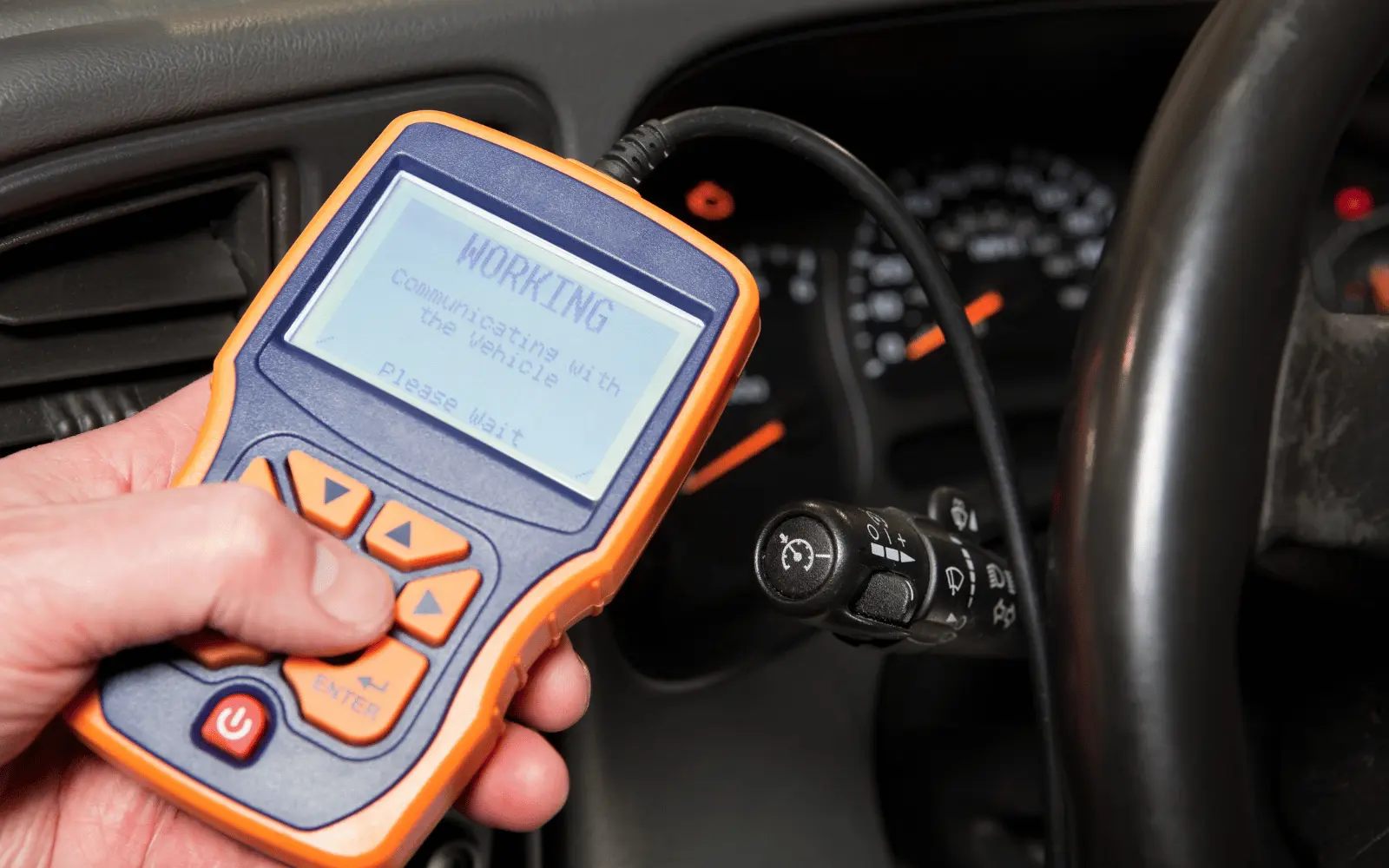
In modern OBD-II programs, an illuminated check engine light means automatic fail in most states. The inspector's computer checks whether the light is commanded on by the ECU, not just whether the bulb lights up. Many check engine lights are emissions-related: misfires, oxygen sensor faults, evaporative leaks, and catalytic converter efficiency problems. A loose or worn gas cap often triggers EVAP codes and is one of the most common simple causes. But clearing the light with a cheap scanner without fixing the cause just resets your monitors and usually leads to a not-ready fail instead of a code fail. After clearing codes or disconnecting the battery, all readiness monitors reset. Most states allow only one or two monitors to be not ready depending on model year. If too many are incomplete, you fail automatically even with no active codes. You need drive cycles to complete monitors, often 50 to 100 miles of mixed driving over several trips. If you just replaced the battery or cleared codes, do a week of normal driving before your test. If the light is on, do not gamble on the test fee. Scan it first and fix the problem.
Cold engines and catalytic converters do not clean exhaust as well as warm ones. Borderline cars are more likely to fail if they arrive cold. Many agencies recommend 10 to 20 minutes of highway or steady driving before testing so the catalytic converter is fully up to operating temperature. Short hops to the station, especially in winter, mean richer cold-start fueling, higher hydrocarbon and carbon monoxide output, and monitors that may not have completed. Do not sit idling for 30 minutes instead. Light steady driving is better than long idling for bringing everything up to temperature. Common maintenance issues also show up as fails. Worn spark plugs and ignition components cause misfires and high hydrocarbons. Clogged air filters lead to richer mixtures. Extremely old or dirty oil increases blow-by and emissions in marginal engines. Visible exhaust leaks can fail visual inspection and distort tailpipe readings. Vacuum leaks cause lean codes and rough idle. Basic tune-up items are far cheaper than repeated fail and retest cycles. If your car already runs rough or idles badly, a smog check will not magically pass it. Fix the obvious problems first.
Ready to get your emissions test?
Find certified testing stations near you.
Many DMVs require you to bring your registration or renewal notice, sometimes proof of insurance, and a payment method accepted by that station. Some stations are cash-only. Showing up without the right documents can mean wasted time or having to reschedule entirely. Timing mistakes are just as common. Waiting until the last few days before registration expires, then failing the test and realizing there is no time for repairs and a retest before the deadline. Most states refuse renewal until you pass or get a waiver. Some add late fees once the due date passes. Modifications right before inspection also cause problems. Loud aftermarket exhausts, cat-back systems, or header swaps can trigger visual inspection fails for missing or relocated catalytic converters. Cold-air intakes or short ram setups can cause lean codes or MAF issues on some cars. Oxygen sensor placement problems from exhaust work can cause check engine lights and readiness issues. In many states, removing or relocating the catalytic converter or other emissions equipment is explicitly illegal. Do your cosmetic and performance mods after passing, or stick to parts that retain factory emissions equipment and calibration.
Overfilling the tank after the nozzle clicks can saturate the EVAP system and damage vapor recovery components, triggering EVAP codes. Testing with an almost empty or completely full tank can delay EVAP monitor completion because many systems only run at mid fuel levels. Using questionable cheap fuel right before testing can make marginal misfires or knock issues worse on sensitive engines. Fill up normally a few days before the test and avoid overfills. Even if the check engine light is off, visible issues can still cause a fail. Fuel leaks, strong fuel smells, obvious exhaust leaks before the catalytic converter, and hanging or damaged exhaust hardware all raise red flags. Some inspection programs include basic safety checks alongside emissions. If your car is leaving spots on the driveway, fix that before scheduling a test. In California and CARB-aligned states, replacement catalytic converters must be application-specific and certified. Universal converters often fail visual inspection. Aftermarket test pipes mean automatic fail plus potential tampering charges. Even in non-CARB states, missing or obviously gutted converters lead to instant failure. If your converter was stolen, make sure the replacement is the right one for your state.
Many drivers assume a guaranteed pass and have no repair budget set aside, no relationship with a competent shop familiar with emissions issues, and no idea what to do if they fail. Then they are stuck scrambling with an expired registration and a car that needs work. Build a simple plan before you test. Get a cheap OBD scan first, either at an auto parts store, with your own scanner, or by paying a shop for a quick pre-check. This tells you whether the check engine light is off and whether your monitors are ready. If something looks wrong, you can address it before paying for a test you are likely to fail. Know a local shop that understands emissions diagnostics. Not every mechanic specializes in smog-related repairs, and you want someone who can read codes, interpret freeze frame data, and fix the actual problem rather than throwing parts at it. Keep all repair receipts in case you need to apply for a waiver or hardship assistance after multiple failures. If you are worried about a fail, read our guides on what happens after a failed test and emissions repair assistance programs. A little preparation beats scrambling after the fact.
FAQ
Have a question not covered here? Contact us and we will respond within one business day.
You likely failed for monitors not ready. If codes were recently cleared or the battery was disconnected, readiness monitors reset to incomplete. Most states require all or nearly all monitors to be ready before you can pass. Drive 50 to 100 miles of mixed city and highway driving over several days, then retest.
No. In most OBD-II programs, an illuminated check engine light is an automatic fail. The inspector's equipment checks whether the light is commanded on by the computer. You need to diagnose and fix the underlying problem, clear the code, drive to reset monitors, and then test.
Drive at least 10 to 20 minutes of steady highway or mixed driving right before your test to warm up the engine and catalytic converter. If you recently cleared codes or replaced the battery, drive 50 to 100 miles over several days to complete readiness monitors before testing.
Bring your vehicle registration or renewal notice, a valid ID, and an accepted payment method. Some stations are cash-only, so check ahead. If you are returning for a retest after repairs, bring your previous inspection report and repair receipts in case they are needed.
List your station for free and connect with drivers actively searching for certified emissions testing and smog check locations near them. Every visitor on this page is looking for exactly what you offer. A verified listing is the most efficient way to advertise your station, putting you in front of local drivers at the exact moment they need an inspection.
No credit card required. Free plan available forever.
See what changed for emissions testing in 2025. State-by-state updates on Texas inspections, New Hampshire phase-out, Bexar County rules, and what to check before renewal.
Read Article
See which U.S. states have no emissions testing requirements in 2025, which recently ended their programs, and which are phasing out smog checks soon.
Read Article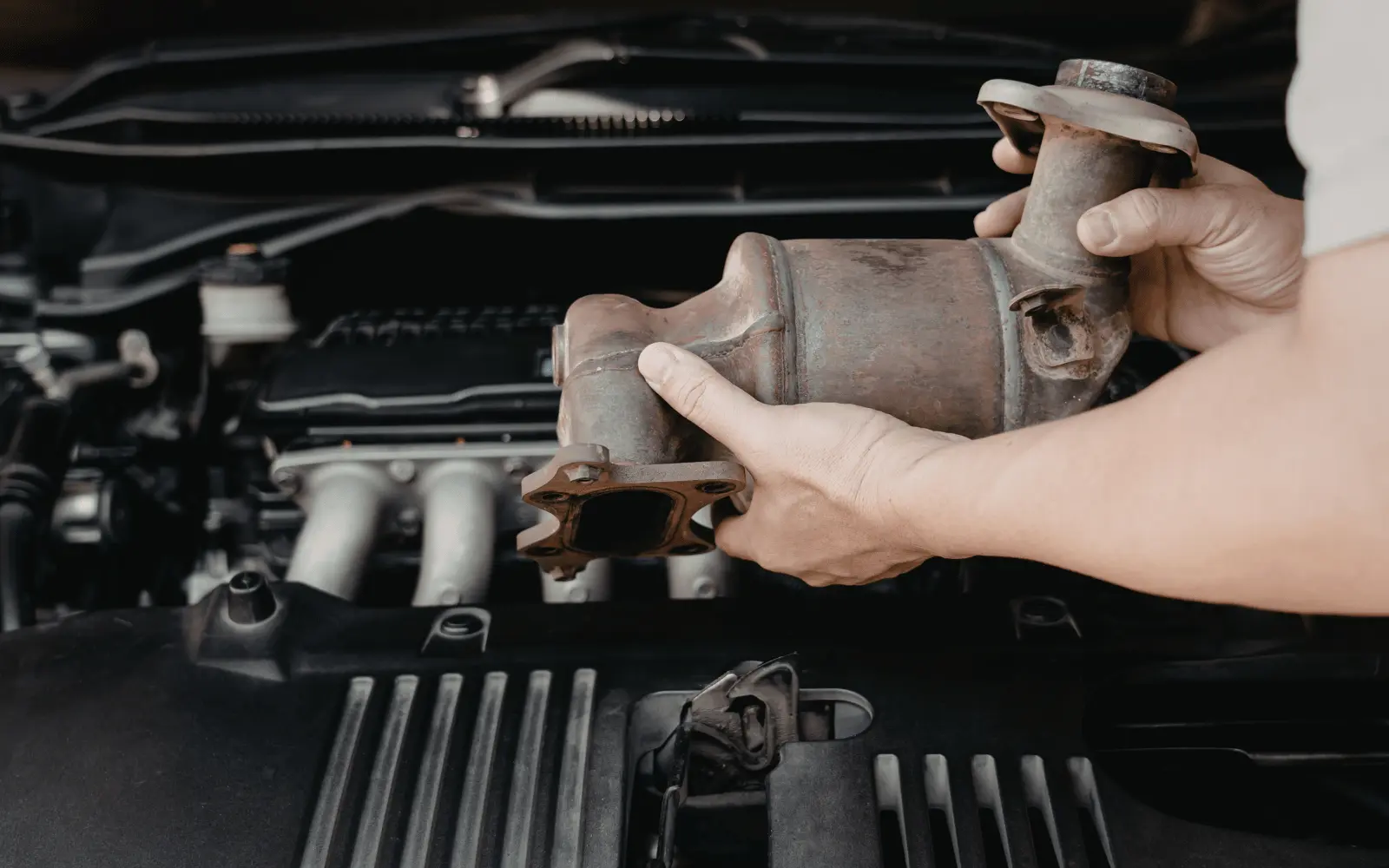
Learn how catalytic converter theft affects your emissions test, which replacement cats are legal, and how long to drive before retesting after a converter is replaced.
Read Article