
States With No Emissions Testing in 2025: The Complete Map
See which U.S. states have no emissions testing requirements in 2025, which recently ended their programs, and which are phasing out smog checks soon.
Read ArticleArticle
See what changed for emissions testing in 2025. State-by-state updates on Texas inspections, New Hampshire phase-out, Bexar County rules, and what to check before renewal.
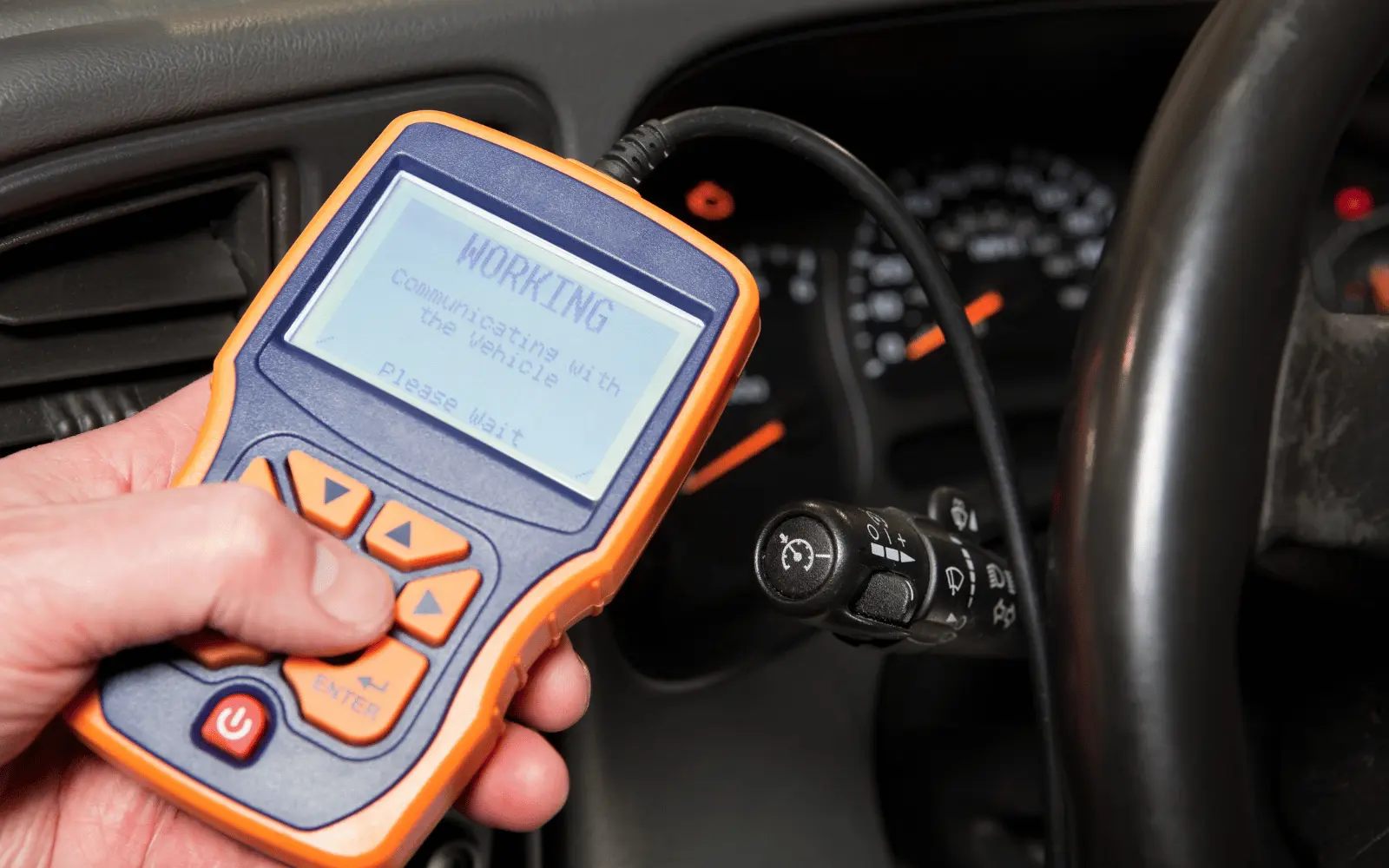
2025 was the year the emissions testing map got even more fragmented. Texas loosened one part of its inspection program. New Hampshire scheduled an exit. And ozone problem areas like Bexar County moved toward tighter controls. There was no single new federal rule driving these changes. Everything happened state by state, which means drivers in different parts of the country face very different realities heading into 2026. This article rounds up the biggest emissions and inspection changes across U.S. states in 2025. We cover the headlines that caused confusion, like Texas eliminating safety inspections while keeping emissions tests in metro counties. We look at states phasing out programs and states preparing to tighten rules. We also cover fee and process changes that affect how you schedule, pay for, and receive your test results. At the end, you get a checklist for confirming what applies to your vehicle and registration address before your next renewal. Whether you are renewing soon or planning a move, here is what shifted this year.
Texas killed the annual safety inspection for most cars. As of January 1, 2025, non-commercial vehicles in Texas no longer need an annual safety inspection. The change came via 2023 legislation (HB 3297) and replaces the physical safety check with a flat inspection fee added to registration. But emissions tests in Texas are not gone. The 2025 law only removed the safety portion. Emissions testing still applies in existing AirCheck Texas counties around Dallas, Fort Worth, Houston, Austin, and El Paso. This is exactly where a lot of the Google confusion comes from. New Hampshire formally scheduled the end of its emissions program. The state passed legislation to end OBD-based emissions inspections for most vehicles as of January 2026. Through all of 2025, the emissions portion of the state inspection is still in force. Bexar County, which includes San Antonio, is heading toward mandatory emissions testing. After EPA downgraded Bexar County's ozone status, annual emissions tests will become mandatory by November 7, 2026. Local coverage is already warning about the gap between the 2025 end of safety inspections and the 2026 start of emissions testing in San Antonio.
Texas dropped safety inspections but kept emissions rules unchanged in the 17 affected counties. You will still stand in the emissions line in Houston, Dallas, or Austin. You just skip the safety checklist now. New Hampshire locked in its emissions repeal, but the change is future-dated to 2026. For 2025, drivers still get full safety plus emissions inspections, but they can see the light at the end of the tunnel. Earlier program exits continue to shape the 2025 landscape. Washington shut down its vehicle emissions test program entirely on January 1, 2020, after hitting long-term air quality goals. Tennessee stopped its emissions testing program in January 2022 after EPA allowed the phase-out. Both states are now living in the post-smog-check world that many drivers hope for. Beyond these headline changes, some states continue to tweak exemption rules. The trend is toward exempting the cleanest and oldest niche vehicles, like new cars in their first few model years and registered antiques, while focusing testing resources on middle-aged daily drivers.
Ready to get your emissions test?
Find certified testing stations near you.
Most 2025 tightening is about future requirements and local ozone issues, not brand-new statewide programs. Bexar County is the clearest example. Due to its ozone non-attainment status, annual emissions inspections will be required by November 7, 2026. Local inspection shops are dealing with a boom-bust-boom cycle: shutting capacity now because safety inspections ended, then struggling to ramp up again when emissions testing starts. Across many states, enforcement is shifting toward diesel opacity, deleted DPF and EGR systems, and aftermarket tuners. EPA has been pushing states to crack down on deleted trucks rather than ordinary passenger cars. Even where formal I/M rules did not change, this trend continued in 2025. More programs also focused on OBD readiness monitors and system integrity. Some states quietly tightened rules, limiting how many monitors can be not ready and upgrading test equipment to spot cleared-code tricks. Instead of launching new statewide programs, states are more often adding individual counties when EPA tightens their air quality designation. Expansions will mostly look like one more county on the map, not brand-new statewide programs.
Texas rolled its safety fee into registration. Post-2025, most Texas drivers pay a $7.50 state inspection fee at renewal instead of visiting an inspection lane for safety checks. Emissions-area drivers still pay the usual emissions test fee at a station on top of that. Many programs now accept digital inspection certificates, so you no longer need to keep a paper slip in the glove box. Online tools for checking pass-fail history, scheduling appointments, or finding a station are increasingly standard. Ohio's E-Check program and various state DMV portals now offer these features. States are nudging drivers to handle registration, inspection, and fee payments in one online flow. Your directory can be the step before that: find a station, then go to the state portal to complete renewal. Behind the scenes, more real-time reporting from stations to DMV databases means less waiting for records to sync. Some states are also shrinking the window between test date and registration expiry, so you cannot test way early and sit on the certificate. 2025 did not reinvent emissions programs, but it made them a bit more digital and fee-driven.
Before your registration comes due, run through this checklist. First, do you live in a testing area? Check if your county or ZIP is in a designated emissions zone. This matters especially in Texas, Arizona, Colorado, North Carolina, and Georgia where testing is county-specific. Second, is your vehicle in the testing band? Confirm whether your model year, fuel type, and weight class are subject to testing or exempt. New vehicles and registered antiques often skip the line. Third, are there new rules for your state? Texas ended safety inspections but kept emissions in metro counties. New Hampshire still requires emissions until 2026. Bexar County starts mandatory testing in late 2026. Fourth, what is your test window? Look at your renewal notice for the deadline. Some states require testing before you can renew and may apply late fees if you miss the window. Fifth, where are the nearest authorized stations? Use our state and city directory to find verified testing locations, hours, and contact details. Sixth, when in doubt, confirm with one official source. Check your state DMV or environmental agency site, but use our directory as the quick, human-readable starting point.
FAQ
Have a question not covered here? Contact us and we will respond within one business day.
No. Texas eliminated annual safety inspections for most non-commercial vehicles starting January 1, 2025. But emissions testing remains required in 17 metro-area counties around Houston, Dallas, Fort Worth, Austin, and El Paso. The law only removed the safety portion, not the emissions portion.
New Hampshire's emissions testing requirement is scheduled to end in January 2026. For all of 2025, drivers still need to pass both safety and emissions inspections. The state will keep safety inspections but drop the OBD emissions portion starting next year.
Yes. Bexar County, which includes San Antonio, will begin mandatory annual emissions testing by November 7, 2026. This follows EPA's downgrade of the county's ozone status to non-attainment. For 2025, San Antonio drivers do not need emissions tests, but that changes in late 2026.
Check your state's official DMV or environmental agency website for current requirements. You can also use our state directory to see program details, county requirements, and recent updates. The biggest 2025 changes affected Texas, New Hampshire, and Bexar County.
List your station for free and connect with drivers actively searching for certified emissions testing and smog check locations near them. Every visitor on this page is looking for exactly what you offer. A verified listing is the most efficient way to advertise your station, putting you in front of local drivers at the exact moment they need an inspection.
No credit card required. Free plan available forever.
See which U.S. states have no emissions testing requirements in 2025, which recently ended their programs, and which are phasing out smog checks soon.
Read Article
Learn how catalytic converter theft affects your emissions test, which replacement cats are legal, and how long to drive before retesting after a converter is replaced.
Read Article
Find out what happens when a deleted diesel hits a smog check. Learn about federal anti-tampering laws, how inspectors spot DPF and EGR deletes, and legal alternatives.
Read Article