2025 Emissions Testing Changes by State: Year-in-Review
See what changed for emissions testing in 2025. State-by-state updates on Texas inspections, New Hampshire phase-out, Bexar County rules, and what to check before renewal.
Read ArticleArticle
Learn how emissions testing evolved from tailpipe sniffers to OBD-II scans. Understand readiness monitors, modern test technology, and what this means for drivers in 2025.
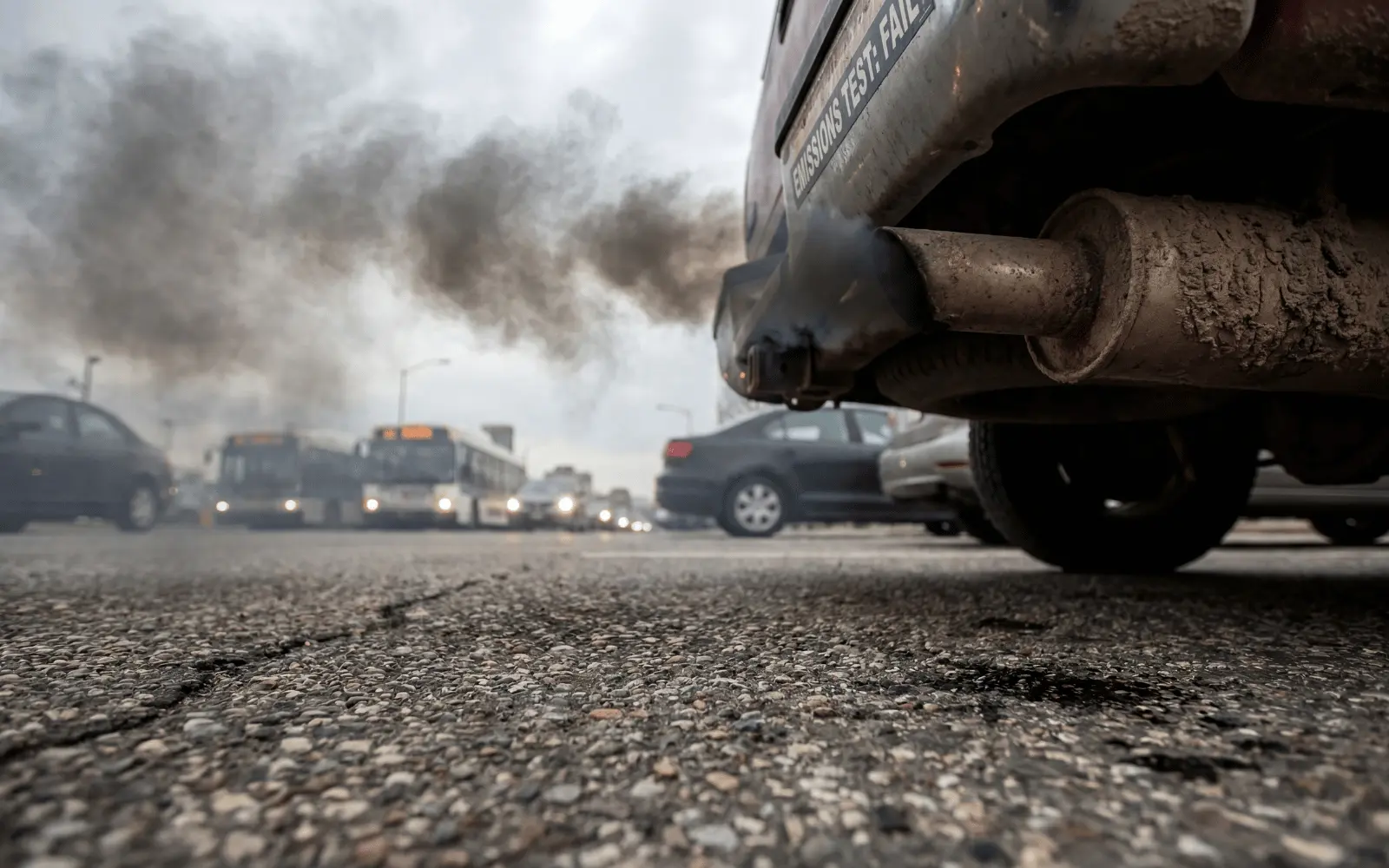
Emissions testing has changed dramatically since the first programs started in the 1970s. Early tests stuck a probe in your tailpipe and measured what came out while you idled or drove on a roller dyno. Those tests gave inspectors a snapshot of your exhaust at one moment in time. Modern testing works completely differently. Since 1996, most vehicles have OBD-II systems that continuously monitor emissions performance while you drive. Instead of measuring tailpipe gases directly, inspectors now plug into your car's diagnostic port and check whether the onboard computer has detected any problems over thousands of miles of driving. This shift from snapshot testing to continuous monitoring changed everything about how emissions programs work and what it takes to pass. This article covers the history of tailpipe testing, how and why programs shifted to OBD-II for 1996 and newer vehicles, how readiness monitors replaced some tailpipe checks, emerging technologies like remote sensing, and what all of this means for drivers in 2025. Whether you drive a newer car tested by OBD or an older vehicle that still gets a tailpipe test, understanding the technology helps you prepare.
Early emissions programs from the 1970s through the 1990s relied on tailpipe tests. Inspectors inserted a probe into the exhaust and measured pollutant concentrations while the vehicle ran. Two-speed idle tests measured emissions at idle and at a higher RPM in neutral. More sophisticated tests like ASM and IM240 put the vehicle on a dynamometer, essentially a set of rollers, and had the driver follow a scripted speed profile while equipment measured grams of pollutants per mile. These tests focused on what came out of the pipe at that moment. They mostly ignored the vehicle's onboard diagnostics and cared only about the actual exhaust readings during the test. Tailpipe tests were sensitive to conditions. Engine temperature, load, and even how the technician operated the vehicle could influence results. A car might pass one day and fail another depending on circumstances. Many states still use tailpipe testing for pre-1996 vehicles that lack OBD-II systems and for certain heavy-duty or specialty vehicles where OBD-based testing is not applicable. But for most modern vehicles, tailpipe sniffing has been replaced by something faster, cheaper, and more comprehensive.
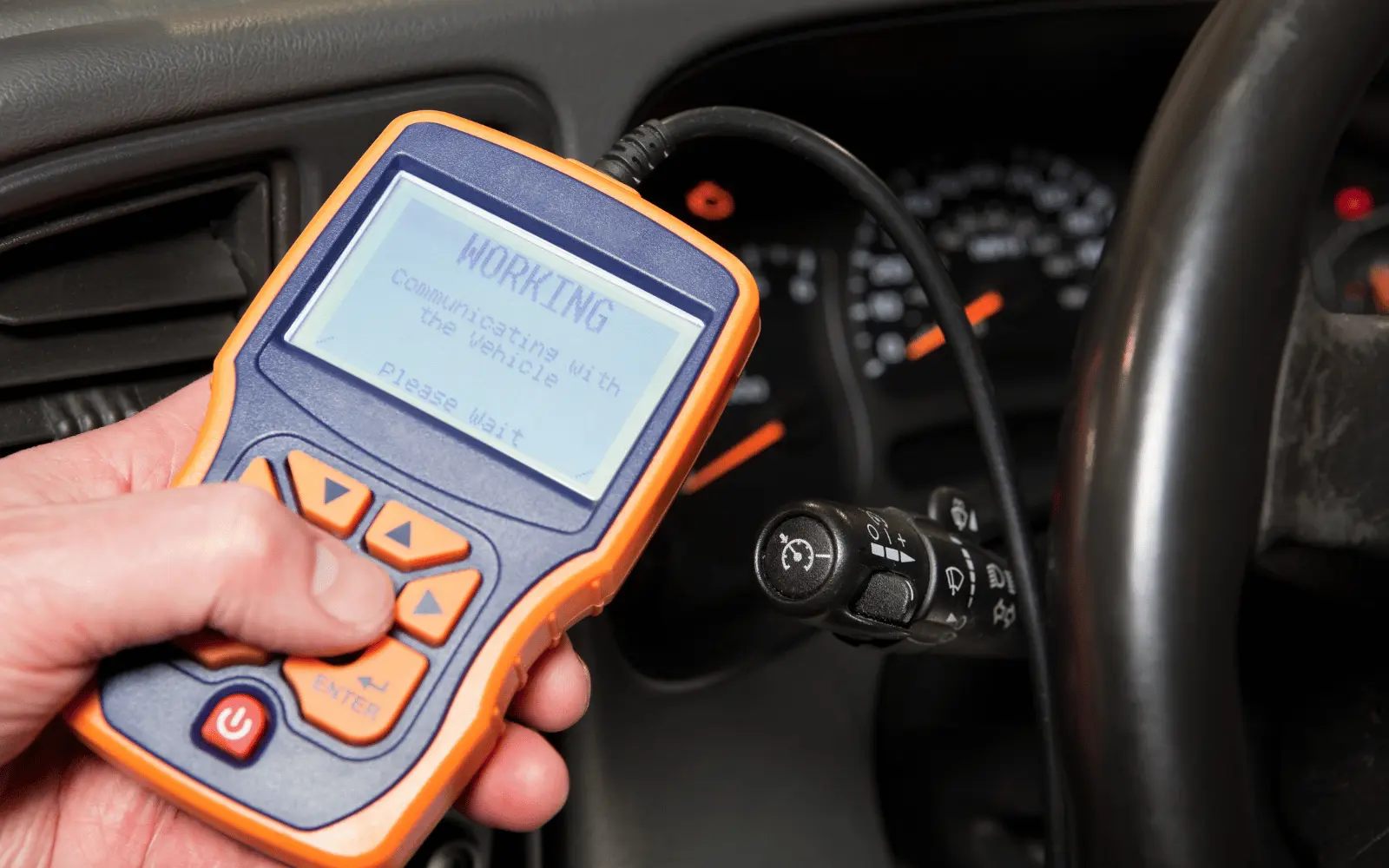
OBD-II became required on most light-duty vehicles starting with model year 1996 in the United States. The system uses a standardized diagnostic connector and trouble code format across all manufacturers. OBD-based emissions testing looks at three main things: the status of the check engine light, any stored diagnostic trouble codes related to emissions, and readiness monitors that indicate whether the vehicle's self-tests for systems like the catalyst, oxygen sensors, EVAP, and EGR have completed. EPA and state programs moved to OBD because onboard systems monitor emissions performance over thousands of miles of real driving, not just 30 seconds on a dyno. OBD tests are faster and cheaper to run, which means more throughput at inspection stations. They are also better at catching intermittent or borderline issues that might slip past a one-off tailpipe test. Today, most big programs in California, New York, Texas, Arizona, Colorado, and other states use OBD-only testing for 1996 and newer light-duty gasoline vehicles. The typical pattern is OBD check plus a quick visual for newer cars, tailpipe tests for older gas vehicles, and OBD or opacity testing for diesels depending on weight class.
Ready to get your emissions test?
Find certified testing stations near you.
Every OBD-II vehicle has a set of readiness monitors that run self-checks on emissions systems. Continuous monitors check things like misfire, fuel system, and comprehensive components all the time. Non-continuous monitors check catalyst efficiency, oxygen sensors, EVAP system, EGR, and secondary air at specific intervals during driving. In an OBD emissions test, the inspector verifies that the check engine light is off and not commanded on, and checks that required monitors are ready, meaning completed, for that vehicle and fuel type. EPA guidance allows up to two monitors to be not ready for 1996 through 2000 vehicles and one monitor not ready for 2001 and newer vehicles. States can choose stricter limits. Monitors reset when the battery is disconnected, codes are cleared with a scan tool, or certain major repairs are done. After a reset, the car must be driven through one or more drive cycles, a mixture of cold start, city, and highway driving, before monitors return to ready status. This is the key difference from the old world. Tailpipe tests cared only about emissions that day. OBD tests care about whether the car has been self-testing correctly over time.
Some states and cities have piloted or currently use remote sensing technology. Roadside devices shine infrared and UV beams through the exhaust plume as cars pass, measuring pollutants in real-world driving without stopping the vehicle. This approach is typically used to flag high emitters or allow clean screen exemptions for vehicles that consistently test clean, reducing their need to visit a station. Emerging approaches include telematics and connected vehicle data proposals where vehicles could transmit OBD data periodically, reducing the need for physical inspection visits. Remote OBD checks via plug-in devices, similar to some insurance dongles, are being considered in pilot programs. These technologies aim to focus enforcement on the worst polluters while reducing hassle for drivers with well-maintained vehicles. Limitations and concerns include privacy issues around transmitting vehicle and location data, equity and access for drivers without smartphones or newer vehicles, and technical and legal standardization that is still in progress. OBD testing is standard now. Remote and virtual inspections are likely the next evolution, but they are not mainstream yet. For most drivers, physical OBD testing remains the reality for the foreseeable future.
For most drivers in 2025, if your car is model year 1996 or newer, your test is almost certainly OBD-based plus a quick visual inspection. If you drive a much older car, expect a more traditional tailpipe test. The practical implications of OBD testing are significant. A check engine light is now a bigger deal because it is tied directly to pass or fail, even if the car seems to run fine. Attempts to game the test by clearing codes right before inspection backfire because too many monitors not ready means automatic fail. Simple issues like a loose gas cap, small EVAP leaks, or oxygen sensor faults are now more visible to test systems than they would have been under tailpipe testing. On the positive side, tests are faster and often cheaper than full dyno runs. Problems can be diagnosed more precisely via diagnostic trouble codes, making it easier for shops to pinpoint issues and for you to understand what is wrong. As EVs grow and remote sensing expands, the percentage of vehicles tested physically will shrink. But OBD literacy, understanding codes and monitors, stays important for anyone driving an internal combustion vehicle.
FAQ
Have a question not covered here? Contact us and we will respond within one business day.
OBD-II became required on most light-duty vehicles starting with model year 1996 in the United States. States began shifting emissions programs from tailpipe testing to OBD-based testing in the late 1990s and 2000s. Today, most programs use OBD-only testing for 1996 and newer gasoline vehicles.
Tailpipe testing measures actual exhaust gases with a probe during a short test. OBD testing plugs into your car's diagnostic port and checks whether the onboard computer has detected emissions problems over thousands of miles of driving. OBD tests look at the check engine light, stored codes, and readiness monitor status.
Readiness monitors are self-checks that run while you drive. They verify that emissions systems like the catalyst, oxygen sensors, and EVAP are working. If too many monitors show not ready, typically because codes were recently cleared, you will fail even without a check engine light on.
Yes. Many states still use tailpipe testing for pre-1996 vehicles that lack OBD-II systems. Some states also use tailpipe or opacity testing for certain diesels and heavy-duty vehicles. For 1996 and newer light-duty gasoline vehicles, most states have moved to OBD-only testing.
List your station for free and connect with drivers actively searching for certified emissions testing and smog check locations near them. Every visitor on this page is looking for exactly what you offer. A verified listing is the most efficient way to advertise your station, putting you in front of local drivers at the exact moment they need an inspection.
No credit card required. Free plan available forever.
See what changed for emissions testing in 2025. State-by-state updates on Texas inspections, New Hampshire phase-out, Bexar County rules, and what to check before renewal.
Read Article
See which U.S. states have no emissions testing requirements in 2025, which recently ended their programs, and which are phasing out smog checks soon.
Read Article
Learn how catalytic converter theft affects your emissions test, which replacement cats are legal, and how long to drive before retesting after a converter is replaced.
Read Article