2025 Emissions Testing Changes by State: Year-in-Review
See what changed for emissions testing in 2025. State-by-state updates on Texas inspections, New Hampshire phase-out, Bexar County rules, and what to check before renewal.
Read ArticleArticle
Find out if hybrids need emissions testing and whether electric cars are exempt from smog checks. State-by-state breakdown of EV and hybrid requirements for 2025.
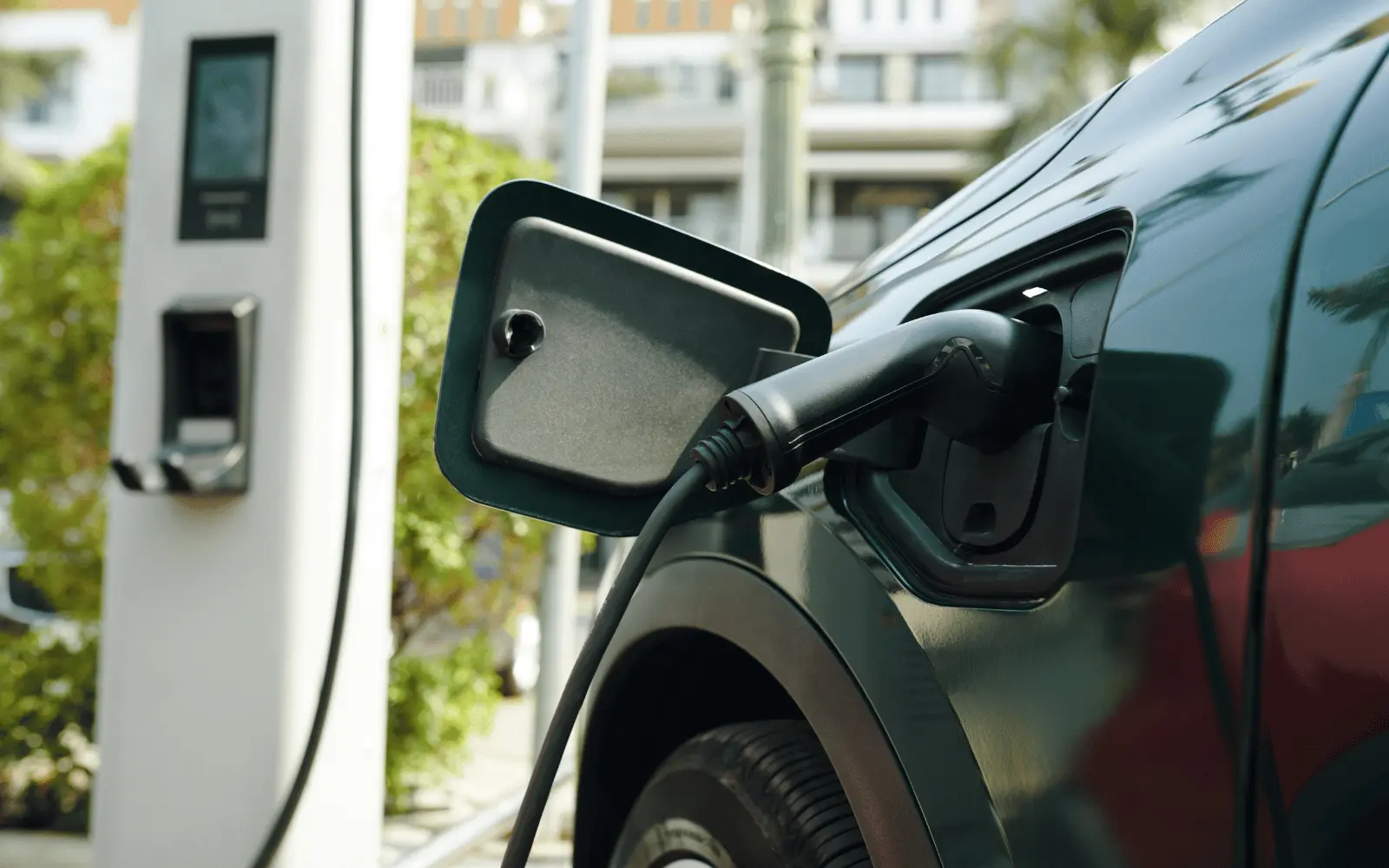
If you drive a hybrid, plug-in hybrid, or fully electric vehicle, you might be wondering whether you need an emissions test. The answer depends on what kind of electrified vehicle you have and where you live. Fully electric vehicles are exempt from emissions testing in every state because they have no tailpipe and produce no exhaust. Hybrids are a different story. Most states treat standard hybrids like regular gasoline vehicles for emissions testing purposes. They have gas engines, they have tailpipes, and their OBD-II systems work the same way. Plug-in hybrids fall somewhere in between, and state policies vary. This article breaks down how states classify EVs, hybrids, and PHEVs for smog check purposes in 2025. We cover why electric cars are treated differently, which states still require hybrids to test, how new model year exemptions apply to electrified vehicles, and how to check your specific requirements before registration. Whether you just bought your first EV or you are trying to figure out if your Prius needs a smog check, here is what you need to know.
Fully electric vehicles, also called battery electric vehicles or BEVs, are exempt from emissions testing in every U.S. state that has a testing program. The reason is simple: they have no tailpipe. There is no internal combustion engine, no exhaust system, and no emissions to measure. The entire point of an emissions test is to check what comes out of the tailpipe or to verify that the engine's pollution control systems are working. Electric vehicles have neither of those things. They run on battery power and produce zero direct emissions while driving. States that require emissions testing explicitly list BEVs as exempt vehicle types. You will not need to visit a testing station, and you will not need to provide proof of a passing smog check to register your EV. This applies whether you drive a Tesla, Rivian, Chevy Bolt, Ford Mustang Mach-E, or any other fully electric vehicle. However, EVs are not exempt from registration itself. You still pay registration fees, and in some states those fees are higher for electric vehicles to offset the gas tax revenue that EVs do not generate. But the emissions test requirement does not apply.
States generally break electrified vehicles into three categories for emissions testing purposes. Battery electric vehicles, or BEVs, are fully electric with no gas engine. These are universally exempt from emissions testing. Standard hybrids, sometimes called HEVs, have both a gas engine and an electric motor but cannot be plugged in. The gas engine is the primary power source, and the electric motor assists. For emissions testing, most states treat these exactly like regular gasoline vehicles. They have tailpipes, they burn fuel, and they have OBD-II systems that can be scanned. If a standard hybrid falls within the testing age range and is registered in a testing area, it typically needs a smog check. Plug-in hybrids, or PHEVs, have larger batteries and can run on electricity alone for a limited range before the gas engine kicks in. State policies on PHEVs vary. Some states treat them like standard hybrids and require testing. Others exempt them because of their electric-only capability. A few base the decision on the vehicle's emissions certification or how it is classified by the manufacturer. Check your state's rules to see how PHEVs are handled.
Ready to get your emissions test?
Find certified testing stations near you.
Most states with emissions programs require standard hybrids to test just like gasoline vehicles. California requires smog checks for hybrids registered in smog check areas, with the same model year exemptions that apply to gas cars. Texas requires emissions tests for hybrids in the 17 metro-area counties with AirCheck programs. Arizona, Colorado, Ohio, and other states with county-based programs treat hybrids as regular gasoline vehicles for testing purposes. The logic is straightforward: hybrids have internal combustion engines that produce emissions. The hybrid system improves fuel efficiency and may reduce emissions compared to a conventional car, but the vehicle still burns gasoline and still has pollution control systems that can fail. The OBD-II port works the same way, and the test process is identical. If your hybrid is a Toyota Prius, Honda Insight, Ford Escape Hybrid, or similar vehicle with a gas engine, assume you need to test unless your state or county does not require testing at all, or your vehicle qualifies for a new model year exemption. Plug-in hybrids may be treated differently depending on the state, so check your specific vehicle type.
Even in states that require emissions testing, many vehicles are exempt for the first few years after purchase. These new model year exemptions apply to all vehicle types, including hybrids. The exemption period varies by state. Some states exempt vehicles for the first three model years. Others extend the exemption to five, six, or even seven years. California, for example, exempts vehicles for the first eight model years from biennial smog checks. This means a brand-new hybrid or plug-in hybrid will not need its first emissions test for several years after you buy it. The exemption is based on model year, not the date you purchased the vehicle. So a 2025 model year hybrid bought in late 2024 is treated the same as one bought in mid-2025. If you recently bought a hybrid or PHEV, check your state's exemption window to see when your first test will be due. For fully electric vehicles, the new model year exemption is irrelevant because they are already permanently exempt. But for hybrids, the exemption just delays testing. Once the exemption window closes, your hybrid enters the regular testing cycle like any other gasoline vehicle.
Before your registration renewal, confirm what applies to your specific vehicle. Start by identifying your vehicle type. Is it a battery electric vehicle with no gas engine? A standard hybrid that cannot be plugged in? Or a plug-in hybrid with both capabilities? This classification determines how your state treats it. Next, check whether your registration address is in a testing area. Many states only require emissions tests in specific counties or metro zones. If you live outside a designated area, you may not need to test regardless of vehicle type. Then look at your model year. Even if hybrids are tested in your state, your vehicle may be exempt if it is new enough. Check your state's exemption window and count forward from your model year. Use your state's official DMV or environmental agency website to confirm the rules for your vehicle type and registration location. Many states have online lookup tools where you enter your plate or VIN to see if a test is required. Our state directory also includes notes on EV and hybrid policies where available. If you drive a fully electric vehicle, you are exempt everywhere. If you drive a hybrid, assume you need to test unless you confirm an exemption.
FAQ
Have a question not covered here? Contact us and we will respond within one business day.
In most states with emissions programs, standard hybrids need to pass smog checks just like gasoline vehicles. They have internal combustion engines and OBD-II systems that work the same way. Plug-in hybrids may be treated differently depending on the state. Check your state's rules and any new model year exemptions that might apply.
Yes. Fully electric vehicles, or battery electric vehicles, are exempt from emissions testing in every U.S. state. They have no tailpipe and produce no exhaust emissions to measure. You do not need a smog check to register an EV, though you still pay normal registration fees.
It depends on the state. Some states treat plug-in hybrids like standard hybrids and require emissions testing. Others exempt them because of their electric-only capability. A few base the decision on manufacturer classification or emissions certification. Check your state's specific policy for PHEVs.
Identify whether your vehicle is a standard hybrid or plug-in hybrid. Check if your registration address is in a testing area. Look at your model year to see if you qualify for a new vehicle exemption. Use your state's DMV website or our state directory to confirm requirements for your specific situation.
List your station for free and connect with drivers actively searching for certified emissions testing and smog check locations near them. Every visitor on this page is looking for exactly what you offer. A verified listing is the most efficient way to advertise your station, putting you in front of local drivers at the exact moment they need an inspection.
No credit card required. Free plan available forever.
See what changed for emissions testing in 2025. State-by-state updates on Texas inspections, New Hampshire phase-out, Bexar County rules, and what to check before renewal.
Read Article
See which U.S. states have no emissions testing requirements in 2025, which recently ended their programs, and which are phasing out smog checks soon.
Read Article
Learn how catalytic converter theft affects your emissions test, which replacement cats are legal, and how long to drive before retesting after a converter is replaced.
Read Article