2025 Emissions Testing Changes by State: Year-in-Review
See what changed for emissions testing in 2025. State-by-state updates on Texas inspections, New Hampshire phase-out, Bexar County rules, and what to check before renewal.
Read ArticleArticle
Find out what happens when a deleted diesel hits a smog check. Learn about federal anti-tampering laws, how inspectors spot DPF and EGR deletes, and legal alternatives.

If you are wondering whether your deleted diesel will pass an emissions test, you are asking the wrong question. The real question is whether you want to bet against state inspectors, federal enforcement, and your truck's resale value all at once. Deleting a diesel means removing factory emissions hardware like the DPF, EGR, or SCR system and reprogramming the computer so it does not throw codes. It is illegal under the Clean Air Act. It has been illegal for decades. And enforcement is getting stricter, not looser. This article explains what deleting a diesel actually means, why it violates federal law, how state inspectors spot tampering during smog checks, and why passing today does not mean you are safe tomorrow. We also cover legal ways to improve diesel reliability without ripping out your emissions equipment. If you drive a deleted truck, you need to understand the risks. If you are thinking about deleting, you need to understand what you are signing up for. And if you are buying a used diesel, you need to know what to look for.
Deleting a diesel means removing or disabling factory emissions hardware and reprogramming the ECU so it no longer looks for it. The most common targets are the DPF (diesel particulate filter, which traps soot), the DOC (diesel oxidation catalyst), the SCR (selective catalytic reduction system, which uses DEF fluid to cut nitrogen oxides), and the EGR (exhaust gas recirculation, which reduces NOx by recirculating exhaust). A full delete typically involves physical removal or gutting of this hardware, installing straight-pipe or race exhaust sections, and flashing tuning software to turn off fault codes, stop regen cycles, and prevent limp mode. Under U.S. federal law, this counts as emissions tampering. The Clean Air Act prohibits removing or rendering inoperative any emission control device on any motor vehicle in use on public roads. It is illegal for both the installer and the owner. Shops cannot sell or install defeat devices. Owners cannot operate a tampered vehicle on public roads. Even products marketed as off-road use only are not a legal shield if the vehicles are actually driven on public roads. EPA has made this clear repeatedly in enforcement actions.
The Clean Air Act bans manufacturing or selling devices that bypass emissions controls, and it bans tampering with or removing emissions equipment on in-use vehicles. EPA enforcement has ramped up significantly over the last decade. The agency estimates that hundreds of thousands of diesel pickups have been illegally tampered, adding hundreds of thousands of extra tons of nitrogen oxides and particulate matter over their lifetimes. Several tuning and aftermarket companies have paid multi-million-dollar settlements for selling delete tunes and hardware. Automakers have faced massive penalties for defeat device cases as well. Penalties for shops can include civil fines per tampered vehicle or device, mandatory recalls, compliance plans, and permanent injunctions against selling delete parts. For individual owners, the typical risk is state inspection failures, registration holds, and possible state-level fines. In egregious cases or commercial fleet situations, federal penalties can apply. The bottom line is that deleting a diesel is not a gray area. It is a federal violation with documented enforcement and real financial consequences for both sellers and owners.
Ready to get your emissions test?
Find certified testing stations near you.
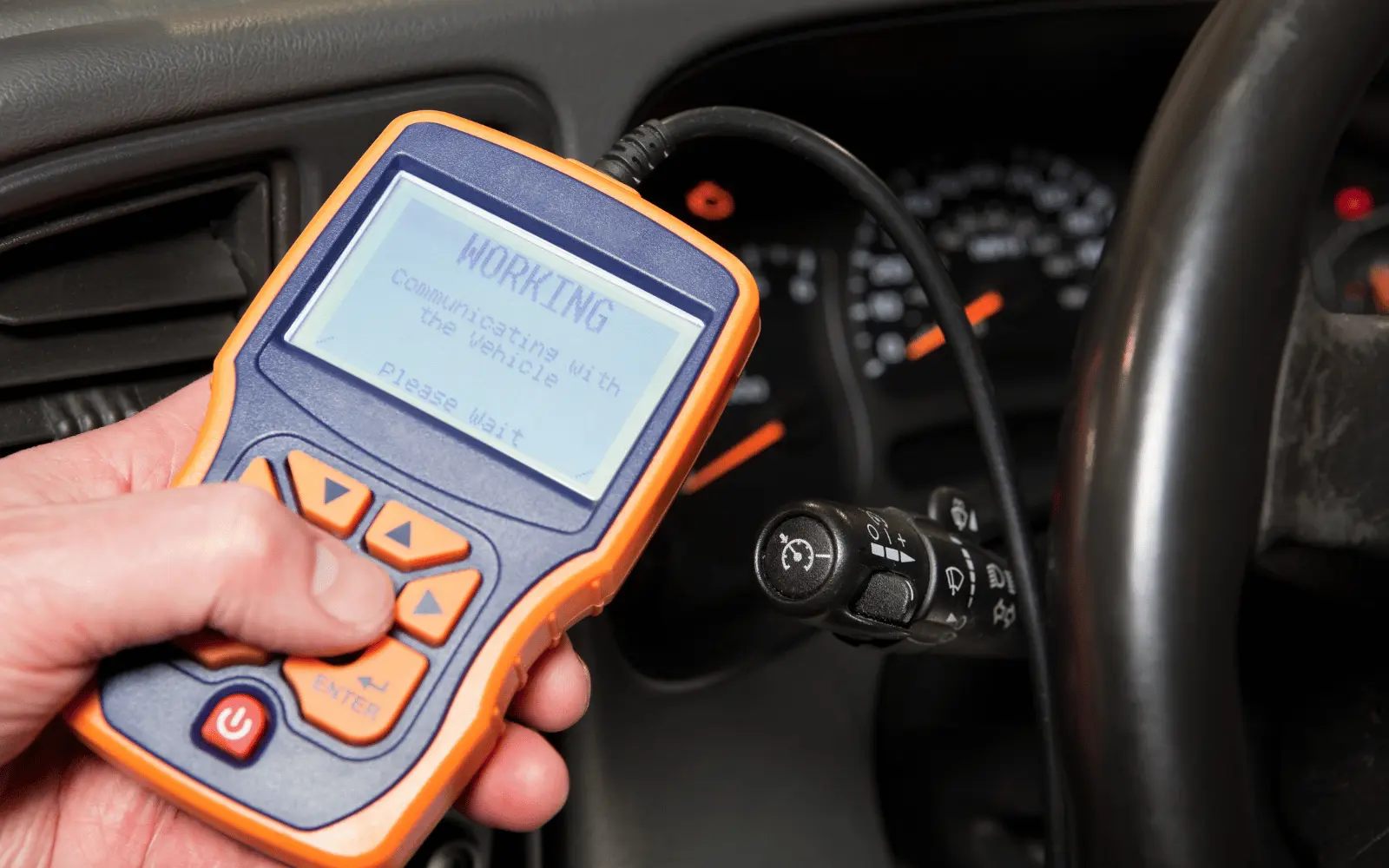
Many state emissions programs require visual inspections for tampering as part of the test. Inspectors must confirm that required parts like the DPF, SCR, DEF system, catalytic converter, and EGR valve are present and appear intact. Common red flags include missing or obviously hollow DPF and SCR cans with straight pipe visible, aftermarket exhaust without any factory after-treatment components, visible under-hood changes like EGR block-off plates, unplugged sensors, or rerouted piping, and tuners or extra modules visible in the engine bay or near the OBD port. On OBD-based diesel tests, delete tunes may suppress certain fault codes, but some states cross-check whether monitors are supported and behaving normally. Unusual patterns, like too many not-supported monitors on a truck that should support them, can trigger extra scrutiny. In opacity or snap-acceleration tests for heavy-duty diesels, excessive smoke during the test can cause a fail even if no codes are present. Some states also run roadside smoke inspections or remote sensing for heavy trucks separate from annual testing. A lot of deleted trucks only pass because they are registered outside testing areas, have not hit a visual inspection lane yet, or are in states with weak diesel programs.
Some deleted trucks appear to get away with it. Maybe the owner lives in a state or county with no emissions testing. Maybe the vehicle falls into a weight class that is not currently tested. Maybe the tuner disabled enough diagnostic checks that no codes and no warning lights show. Maybe the inspector did not perform a thorough visual check. But the law is still broken even without testing. Tampering is illegal regardless of whether your state inspects for it. If the vehicle ever moves to a metro county with testing, gets sold to a buyer in a stricter state, or gets stopped in a roadside diesel smoke sweep, it can trigger expensive repairs, fines, and failed inspections. Beyond the legal risk, there are practical downsides. Removing the DPF, SCR, and EGR can increase engine wear, soot in oil, and potential turbo problems if the tuning is poor. Resale value often drops outside enthusiast circles because many dealers and mainstream buyers will not touch a visibly deleted truck. Some manufacturers can void the powertrain or emissions warranty if tampering is detected. Yes, you might pass today, but you are betting against enforcement, future moves, and resale.
If you want your diesel to last and stay legal, smart maintenance beats deletes every time. Keep up with DPF regenerations. Lots of short trips force more regen cycles. Occasional highway drives help the system clean itself naturally. Use low-ash oil that meets the manufacturer spec to protect DPF life. Follow manufacturer service intervals for EGR cleaning, DEF system maintenance, fuel filters, and air filters. If the truck is working hard with towing or commercial use, consider upgrading cooling, tires, suspension, and gearing where appropriate rather than removing emissions hardware. Choose tunes that are explicitly emissions-compliant and CARB or EPA certified where available. Some states maintain lists of approved performance calibrations. If you are buying a used diesel, inspect for signs of tampering. Look for non-OEM exhaust, missing DPF or SCR, welded seams where cans were gutted, tuner wiring, and mystery faults in the DEF system. Walk away or budget the cost to restore stock emissions equipment, which can run into thousands of dollars. Use our state directory to find an emissions-competent shop, not a sketchy delete tuner. Check your state page for diesel-specific rules and testing requirements.
FAQ
Have a question not covered here? Contact us and we will respond within one business day.
It depends on your state's program. Some deleted trucks pass because they are registered outside testing areas, fall into exempt weight classes, or avoid thorough visual inspections. But passing does not make it legal. Tampering is a federal violation regardless of whether your state tests for it, and you risk fines, registration holds, and failed inspections if enforcement catches up.
Yes. The Clean Air Act makes it illegal to remove or disable emissions controls on any motor vehicle used on public roads. This applies to both the shop that does the work and the owner who operates the vehicle. EPA has levied multi-million-dollar fines against companies selling delete kits and tunes.
Inspectors can spot deletes through visual checks for missing DPF, SCR, or EGR hardware, straight-pipe exhaust, and tuner modules. OBD scans may show unusual patterns like too many not-supported monitors. Opacity tests catch trucks that smoke excessively. Some states run roadside inspections targeting diesel tampering specifically.
Focus on proper maintenance instead of deletes. Keep up with DPF regens, use low-ash oil, follow service intervals for EGR and DEF systems, and choose emissions-compliant performance tunes where available. If buying used, inspect for tampering and budget to restore stock equipment if needed.
List your station for free and connect with drivers actively searching for certified emissions testing and smog check locations near them. Every visitor on this page is looking for exactly what you offer. A verified listing is the most efficient way to advertise your station, putting you in front of local drivers at the exact moment they need an inspection.
No credit card required. Free plan available forever.
See what changed for emissions testing in 2025. State-by-state updates on Texas inspections, New Hampshire phase-out, Bexar County rules, and what to check before renewal.
Read Article
See which U.S. states have no emissions testing requirements in 2025, which recently ended their programs, and which are phasing out smog checks soon.
Read Article
Learn how catalytic converter theft affects your emissions test, which replacement cats are legal, and how long to drive before retesting after a converter is replaced.
Read Article