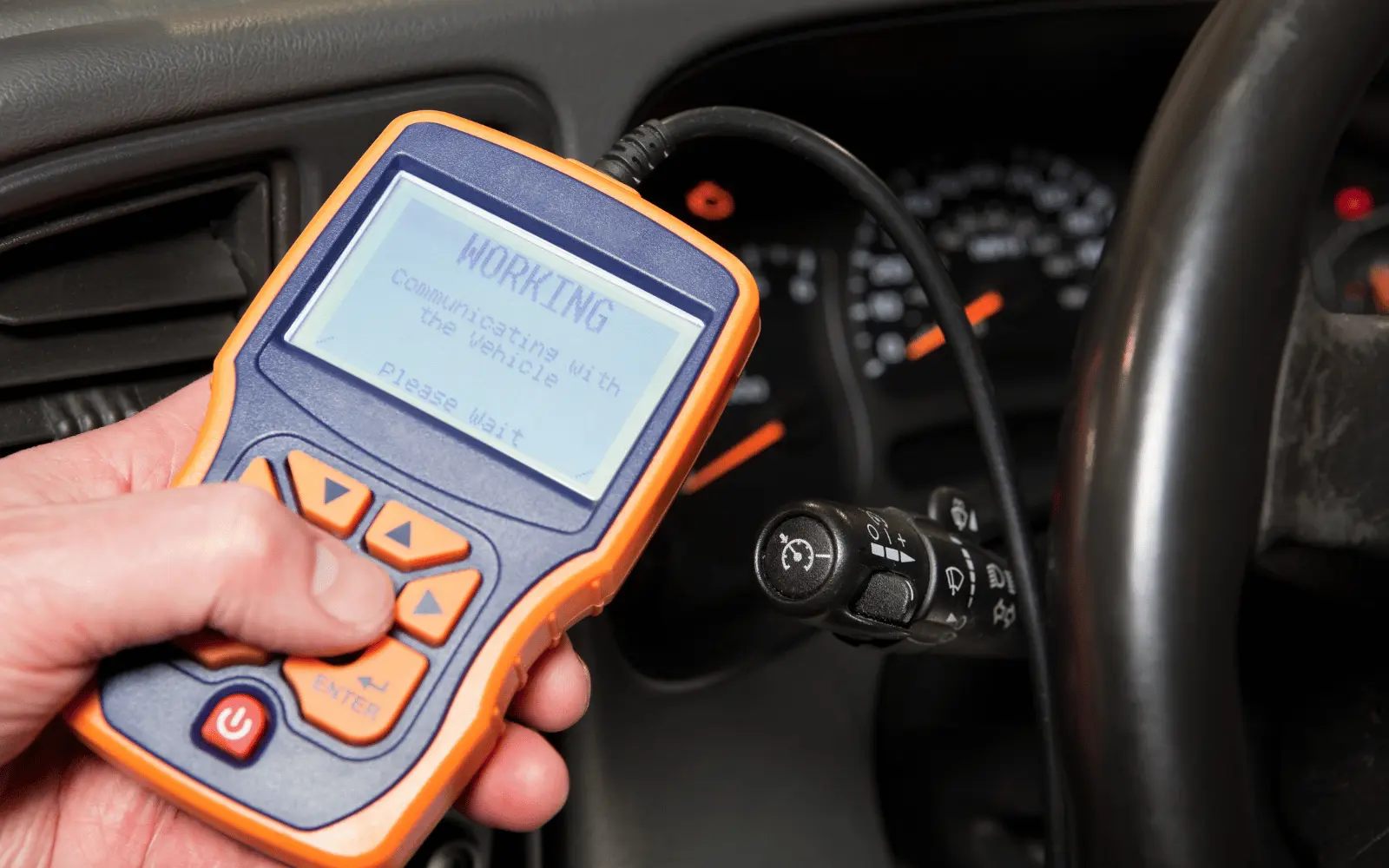
2025 Emissions Testing Changes by State: Year-in-Review
See what changed for emissions testing in 2025. State-by-state updates on Texas inspections, New Hampshire phase-out, Bexar County rules, and what to check before renewal.
Read ArticleArticle
Find out whether emissions testing is based on where you live, work, or register your car. Learn how states handle commuters and what to check before your renewal.

If you live in one county but work in another, you might wonder which location determines whether you need an emissions test. The short answer for most drivers is that your registration address controls the requirement, not where you drive every day. Most emissions programs key off where the vehicle is registered, which usually means the garaging or primary residence address on file with the DMV. If that address is in a testing county, you need to test. If it is not, you probably do not. But there are exceptions. Some programs include language about vehicles that are primarily operated in a metro area, which could pull in commuters who live outside the testing zone but work inside it. Fleet vehicles and company cars may follow different rules based on where the vehicle is domiciled in the fleet system. This article explains how states define who must test, which programs target commuters, what proof might be required, what happens when you move or change jobs, and how to check your own status so you are not guessing.
Most emissions programs determine testing requirements based on where the vehicle is registered. Registered address usually means the garaging or primary residence address on file with the DMV, not your mailing address or your employer's location. Some programs also use primarily operated in language. If a vehicle spends most of its time in a covered area, it may be subject to testing even if registered elsewhere. A few programs have historically referenced commuters into a metro area, targeting drivers who live outside but regularly work in the city. In practice, over 90 percent of drivers only need to worry about their county of registration. That is what controls whether your renewal notice shows an emissions requirement. Company vehicles, fleet vehicles, and leased cars may follow where the vehicle is domiciled in the fleet system, which may or may not match the driver's home address. The bottom line is to assume your registration address rules first. Then check if your state has any special commuter or operated in area clauses that might apply to your situation.
Some emissions programs were designed to catch vehicles that pollute in a metro area even if they are registered outside it. You will sometimes see language like registered in or primarily operated in the emissions control area, or vehicles that regularly travel into a specific metro region for work or school. These rules mainly exist in non-attainment ozone and particulate matter metro areas where commuters make up a large share of daily traffic. A worker who lives well outside the metro but commutes in five days a week is more likely to be covered by operated-in-the-area language than someone who visits monthly. Some states have considered or used commuter-based triggers for vehicles that do not meet local standards but spend most of their time in the city. Enforcement is usually light and focused on fleets based outside the city but driven mainly inside it, and residents who game the system by registering vehicles in a non-testing county while living full-time in a testing county. For most individual drivers, this is an edge case. Check your state's emissions program page for commuter or primarily operated language to see if it applies to you.
Ready to get your emissions test?
Find certified testing stations near you.
Where commuter-based rules exist, agencies typically look for documentation of regular operation in the area. This might include a recent pay stub with an employer address inside the emissions area, an employer letter confirming regular on-site work in a specific city or county, or school records for students regularly attending classes in the area. For determining where a vehicle really lives, states may also ask for a lease or rental agreement, property tax bill, utility bills showing the address where the car is kept, or an insurance policy showing the garaging ZIP code. Fleet vehicles may be audited using fleet records showing where vehicles are assigned or GPS and telematics data in some enforcement contexts. If your state ties testing to where you work or where the car is primarily driven, expect to show something like a pay stub or employer letter to prove that pattern. Most individual drivers will never be asked for this unless there is a dispute, an exemption request, or an investigation into suspected registration fraud.
If you move within the same state and your new address is in a testing county, your next renewal notice will often start showing an emissions requirement. If you move out of a testing county, you may no longer need to test after you update your registration address with the DMV. The change usually applies at the next renewal cycle. You do not normally have to retest mid-cycle just because you moved. If you move to a different state, the new state often requires a fresh inspection, either safety or emissions or both, before issuing local registration. This applies even if you just passed a test in your old state. Test results from one state generally do not transfer to another. If your state uses a commuter rule and you change jobs, you may no longer fall under the commuter provision at your next renewal if you stop working in the emissions area. You might be asked to show updated proof, like a new employer address or remote work status, if you are trying to drop out of a commuter-based requirement. Always update your address with the DMV promptly after moving. If your renewal notice suddenly starts or stops showing an emissions requirement, it is likely tied to your new county of residence.
Almost every state with emissions testing has an official tool you can use. Look for a does my vehicle need a test page, a ZIP code or county list of emissions areas, or a VIN or plate lookup tied to your registration record. Start by checking your renewal notice. If a test is required, it is usually printed clearly with a due date or testing window. Next, use your state's online checker. Search for your state name plus emissions testing or go directly to the DMV or environmental agency website and look for an address or ZIP lookup tool. If you live in one county and work in another, call or email the agency and ask specifically whether testing is based on where your car is registered or where you work and drive every day. Before changing your registration address, confirm the rules. Some people intentionally register a car at a relative's address in a no-test county. This can be considered fraud if it is not where the car actually lives. Use our state directory to see which counties require emissions testing and find stations near you.
FAQ
Have a question not covered here? Contact us and we will respond within one business day.
For most drivers, testing is based on your registration address, which is usually your primary residence or garaging location. Some programs have commuter rules that may require testing if you primarily operate your vehicle in a metro emissions area, but this is uncommon. Check your state's program page for specific language.
Usually not, unless your state has specific commuter provisions. Most programs only require testing based on your registration address. If you live outside the testing area but work inside it, check whether your state uses primarily operated in language that might apply to regular commuters.
Your next registration renewal will likely include an emissions testing requirement. Update your address with the DMV after moving. The change typically applies at your next renewal cycle, not immediately. You do not usually have to test mid-cycle just because you moved.
Registering a vehicle at an address where it does not actually live can be considered fraud. Most states require you to register at your primary residence or garaging location. Enforcement varies, but intentionally misrepresenting your address to avoid testing can result in penalties.
List your station for free and connect with drivers actively searching for certified emissions testing and smog check locations near them. Every visitor on this page is looking for exactly what you offer. A verified listing is the most efficient way to advertise your station, putting you in front of local drivers at the exact moment they need an inspection.
No credit card required. Free plan available forever.
See what changed for emissions testing in 2025. State-by-state updates on Texas inspections, New Hampshire phase-out, Bexar County rules, and what to check before renewal.
Read Article
See which U.S. states have no emissions testing requirements in 2025, which recently ended their programs, and which are phasing out smog checks soon.
Read Article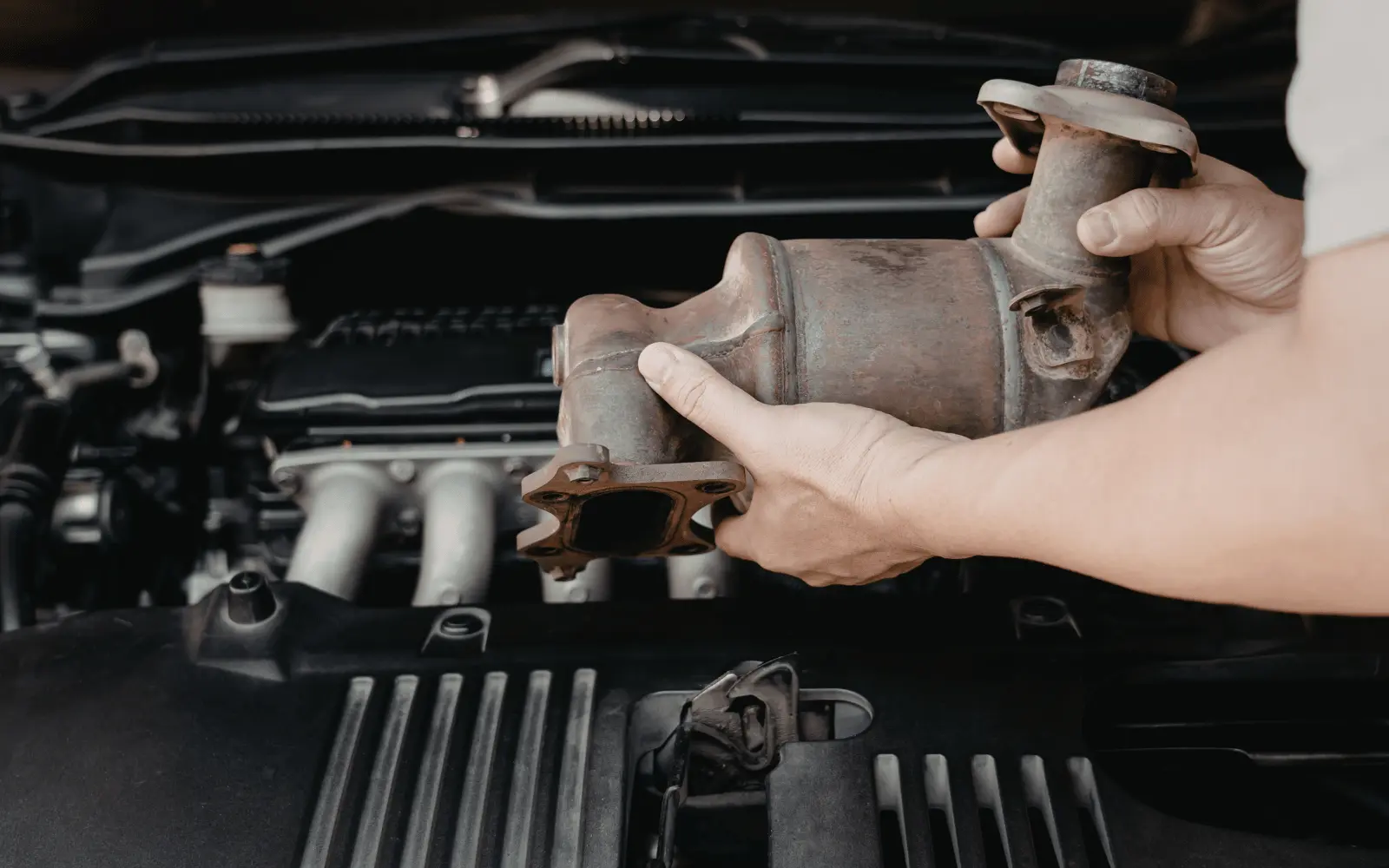
Learn how catalytic converter theft affects your emissions test, which replacement cats are legal, and how long to drive before retesting after a converter is replaced.
Read Article