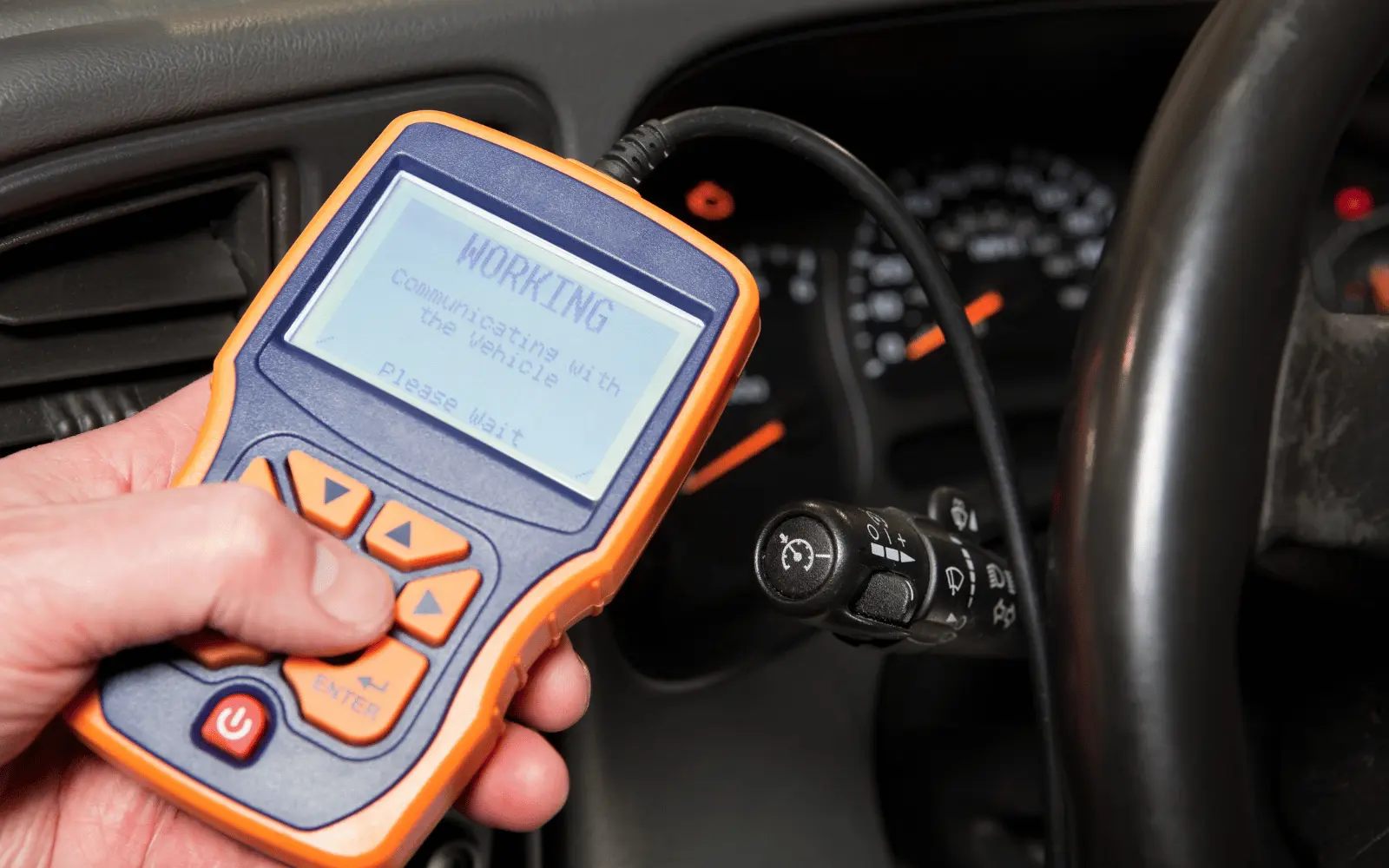
2025 Emissions Testing Changes by State: Year-in-Review
See what changed for emissions testing in 2025. State-by-state updates on Texas inspections, New Hampshire phase-out, Bexar County rules, and what to check before renewal.
Read ArticleArticle
Learn about 2025 diesel emissions regulations, state inspection programs, federal heavy-duty standards, and how to stay compliant. Fleet and owner-operator guide.
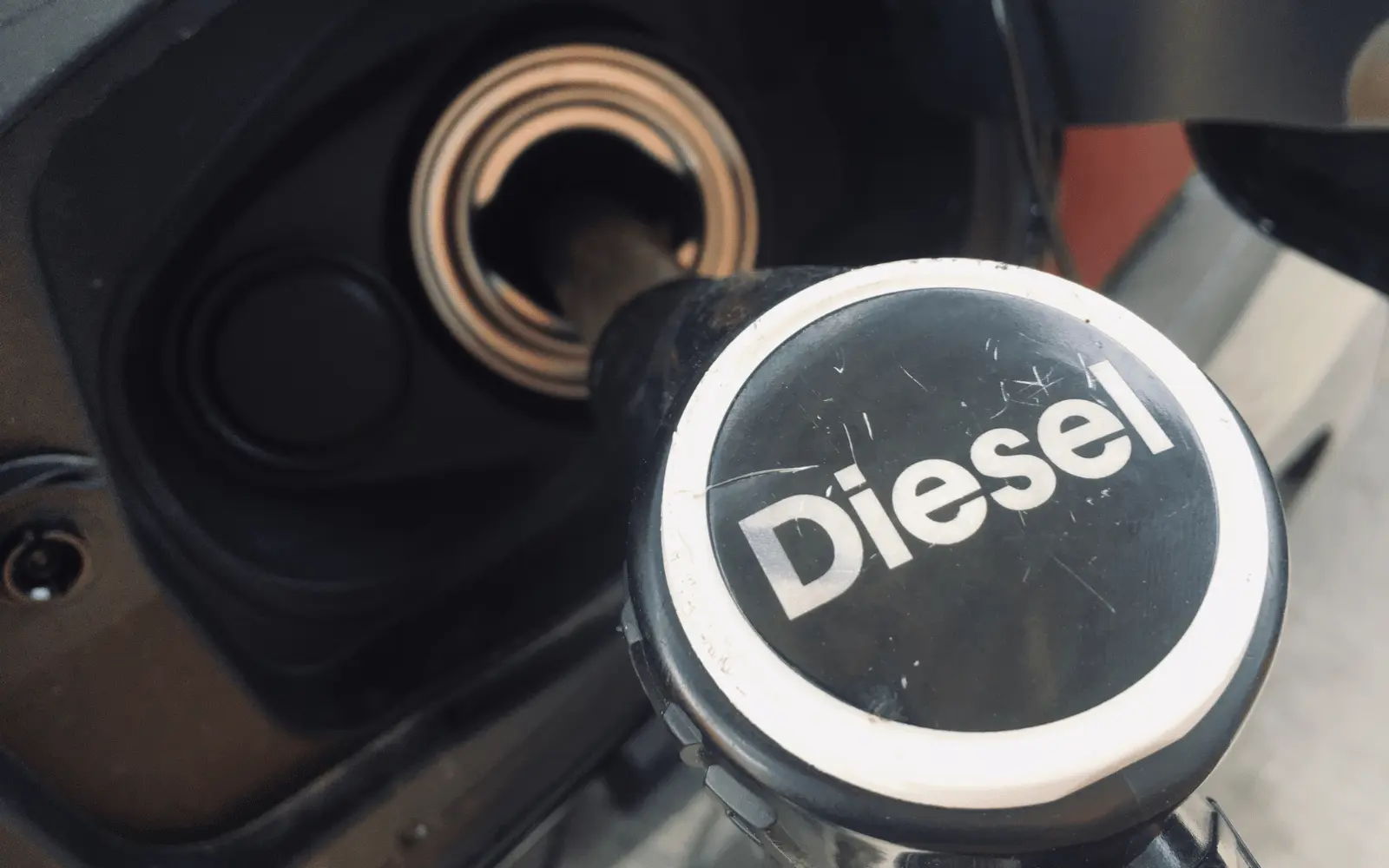
Diesel emissions rules are tightening in 2025, and fleets that do not pay attention will get caught. California's heavy-duty inspection program is fully operational. Northeast states continue aggressive roadside enforcement. New federal standards for heavy-duty engines start phasing in with 2027 models. And ports, logistics hubs, and freight corridors across the country are adopting stricter diesel oversight regardless of what the rest of the state requires. This is not just a California problem anymore. If your trucks operate in any major metro area, near any port, or along interstate freight corridors, you need to understand what is changing and how it affects your compliance calendar. This article covers why diesel emissions are in the regulatory crosshairs, which state inspection programs to watch in 2025, what new federal heavy-duty standards mean for the industry, what small fleets and owner-operators need to plan for, and how to find diesel-capable inspection stations that can handle your weight class. Whether you run one truck or a hundred, staying ahead of these rules is cheaper than getting caught behind them.
Diesel trucks are a small share of vehicles on the road but a huge share of pollution. In California, heavy-duty trucks make up roughly 3 percent of vehicles but produce over half of nitrogen oxide and fine particle pollution. Regulators focus on diesel because NOx and particulate matter are key drivers of smog, asthma, heart disease, and premature deaths, especially in freight corridors and port communities. Many states are under pressure to meet EPA ozone and PM2.5 standards, especially in metro non-attainment areas. Tightening diesel rules is one of the fastest levers they can pull. The policy trend is twofold: clean up what is already on the road through inspection and maintenance, roadside smoke checks, and anti-idling rules, while forcing new trucks to be much cleaner or zero-emission. Federal funding from the Inflation Reduction Act and other programs is now explicitly targeted at replacing diesel trucks and school buses with zero-emission vehicles, not just retrofits. This is not just about California anymore. Ports, logistics hubs, and interstate corridors nationwide are tightening diesel oversight because they have to hit federal air quality targets.
California's Heavy-Duty Inspection and Maintenance program, known as Clean Truck Check, now requires periodic emissions checks for most trucks over 14,000 pounds operating in the state. The program uses OBD data and roadside testing, with remote sensing monitors, VIN-based compliance checks, and escalating penalties for non-compliance. There is a strong focus on tampering, including DPF, EGR, and SCR deletes, and trucks operating near ports and warehouses. Northeast and Mid-Atlantic states like New York, New Jersey, and Connecticut continue long-running diesel opacity programs that target heavy-duty trucks via roadside inspections, bridge and tunnel checks, and scheduled facility inspections. Many require annual emissions and safety inspections for diesel trucks registered in-state, plus high-profile enforcement blitzes in city cores and near ports. Western freight states like Colorado, Utah, and Arizona use a mix of opacity tests and OBD-based checks for light and medium-duty diesels in their metro inspection areas. Some are tightening rules on visible smoke, tampered exhausts, and aftermarket tuning as part of their ozone attainment plans. Port regions often have additional rules through truck registry programs or drayage requirements that are stricter than base state DMV inspections.
Ready to get your emissions test?
Find certified testing stations near you.
EPA finalized a tougher heavy-duty engine rule for new trucks that starts phasing in with model year 2027. The rule cuts NOx limits by more than 80 percent compared with the previous standard and reduces the particulate matter limit by about 50 percent. It also extends warranty and useful life periods for emissions systems, meaning engines must stay clean for more miles and years, and manufacturers and fleets have more long-term liability if systems fail early. This federal rule does not directly change inspection procedures, but it pushes OEMs to design more sophisticated aftertreatment and monitoring systems. It also gives states justification to tighten inspection rules, especially OBD-based checks, because they can now enforce cleaner standards over a longer vehicle life. In parallel, California and CARB-aligned states are moving toward Advanced Clean Trucks and Advanced Clean Fleets rules that increase the share of zero-emission trucks in new sales and certain fleets. Federal grant programs like EPA's Clean Heavy-Duty Vehicles Program are funding diesel-to-ZEV replacements and charging infrastructure. Fleets have to manage both the new truck rules coming in 2027 and the on-road inspection rules that apply right now.
Know where your trucks actually operate, not just where they are registered. Ports, large metro areas, and non-attainment corridors often have stricter diesel rules than the rest of the state. Build a simple matrix for each truck covering GVWR and class, fuel type, model year, and the states and counties where it frequently operates. Priorities in 2025 include keeping aftertreatment intact. Federal and state penalties for DPF, EGR, and SCR deletes have climbed, and inspection technology is good at spotting tampering. Stay on top of regens, DPF cleaning, NOx sensor faults, and DEF system issues. These are now inspection and warranty hot spots. Budget for pre-inspection maintenance the same way you budget for tires and brakes. Emissions-related downtime can sideline a truck at renewal time. For mixed fleets, consider rotating older or high-emitting trucks out of the strictest corridors first, like ports, California, and Northeast metros, while keeping them on less regulated routes where allowed. Watch for grant and voucher programs. Many states and air districts offer money to replace older diesels with cleaner or zero-emission trucks, especially around ports and school bus fleets.
Diesel inspections are not all the same. Some stations only handle light-duty OBD checks. Others can perform heavy-duty opacity or snap-acceleration tests. Some are state-run centers while others are licensed private shops. For a fleet, you want to know which stations can handle your weight class and fuel type, which ones are authorized under your state's inspection program, and where they are located relative to your depots, routes, ports, and border crossings. Our directory lets you filter by state and city to find stations that handle diesel trucks. You can see whether a station does opacity tests, heavy-duty inspections, or only light-duty gasoline vehicles. Contact details and hours are included so you can pre-book and avoid queues. For fleets, consider bookmarking your go-to stations by route and setting up reminders ahead of renewal deadlines. Waiting until the last week before a registration deadline limits your options and can mean expensive downtime if repairs are needed. Select your state and city to see diesel-capable emissions stations near your yard or route.
FAQ
Have a question not covered here? Contact us and we will respond within one business day.
Several states have tightened diesel inspection programs, with California's Clean Truck Check now fully operational for trucks over 14,000 pounds. Northeast states continue roadside enforcement. New federal EPA standards for heavy-duty engines begin phasing in with 2027 models, cutting NOx limits by over 80 percent. Check your state and operating corridors for specific requirements.
Requirements vary by state, weight class, and where the truck operates. Many states only require diesel testing in metro non-attainment areas or for trucks above certain weight thresholds. Port regions and freight corridors often have additional rules beyond base state requirements. Check your registration location and operating routes.
You will typically need to make repairs and retest before you can renew registration. Common failure causes include DPF or DEF system faults, tampered aftertreatment, excessive opacity, or active OBD fault codes. Keep repair receipts in case you need to apply for a waiver or demonstrate good-faith repair efforts.
Use our state and city directory to find stations that handle diesel inspections. Not all emissions stations can test heavy-duty trucks or perform opacity tests. Filter by your location to see which stations are authorized for your weight class and inspection type, and check hours before you arrive.
List your station for free and connect with drivers actively searching for certified emissions testing and smog check locations near them. Every visitor on this page is looking for exactly what you offer. A verified listing is the most efficient way to advertise your station, putting you in front of local drivers at the exact moment they need an inspection.
No credit card required. Free plan available forever.
See what changed for emissions testing in 2025. State-by-state updates on Texas inspections, New Hampshire phase-out, Bexar County rules, and what to check before renewal.
Read Article
See which U.S. states have no emissions testing requirements in 2025, which recently ended their programs, and which are phasing out smog checks soon.
Read Article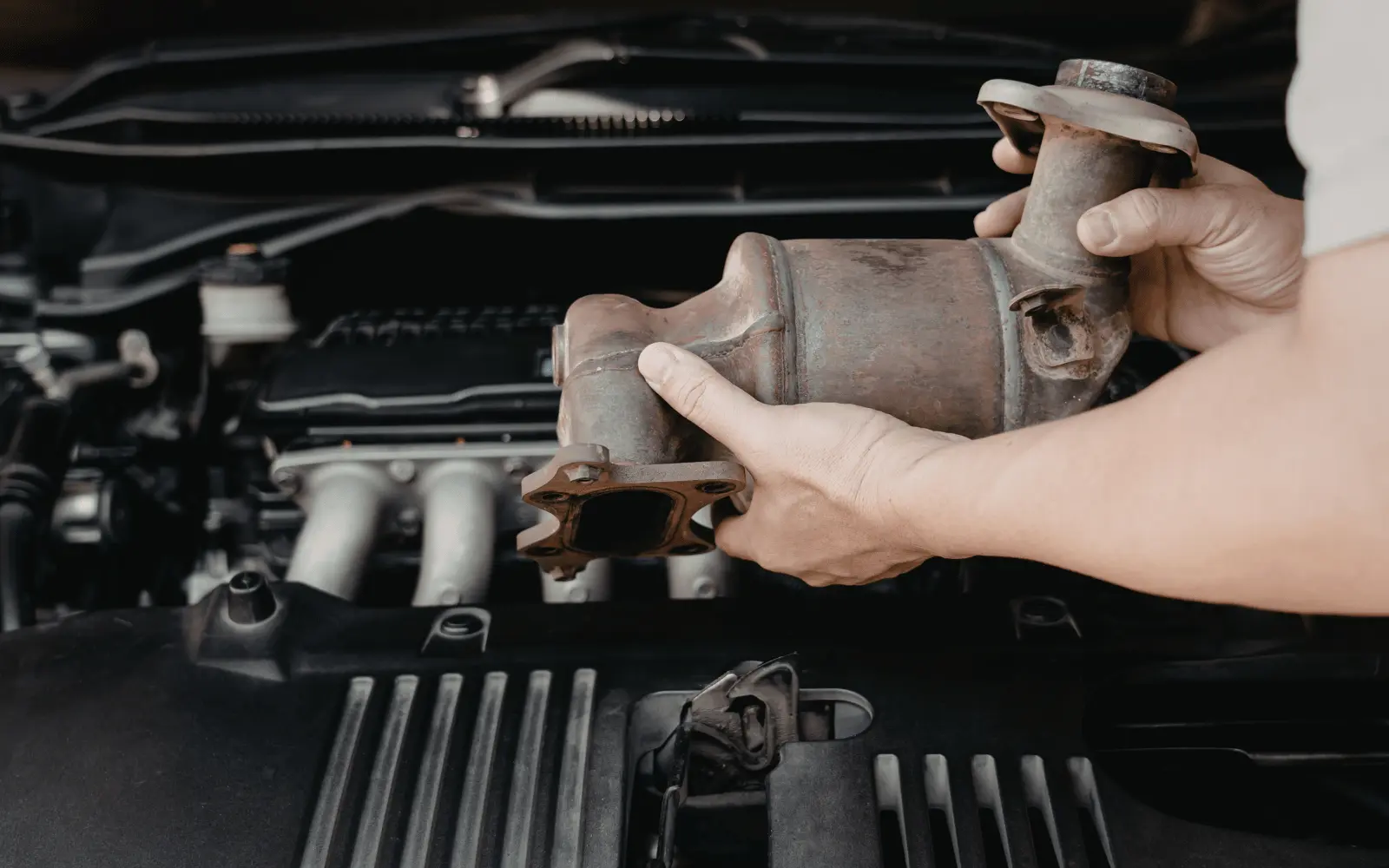
Learn how catalytic converter theft affects your emissions test, which replacement cats are legal, and how long to drive before retesting after a converter is replaced.
Read Article