2025 Emissions Testing Changes by State: Year-in-Review
See what changed for emissions testing in 2025. State-by-state updates on Texas inspections, New Hampshire phase-out, Bexar County rules, and what to check before renewal.
Read ArticleArticle
Find out the best time to schedule your smog check. Learn how seasons, weather, and timing affect emissions test results and station wait times in 2025.

Does it matter when you schedule your emissions test? The short answer is yes, but not for the reasons most people think. Weather does not directly fail you. Air temperature has less effect on your results than how your car was driven before the test. What really matters is whether your engine and catalytic converter are warmed up, whether your readiness monitors have completed, and whether you left yourself time for repairs if something goes wrong. Timing also affects how long you wait at the station. End-of-month rushes, registration deadline clusters, and seasonal patterns create predictable busy periods that you can avoid with a little planning. This article covers how temperature and driving conditions affect results, why some seasons create longer lines, the pros and cons of testing early versus last-minute, how to time your test around repairs and readiness monitors, and practical scheduling tips for busy metro areas. Whether you are testing in July heat or January cold, here is how to pick the right time and avoid the crowds.
Engine and catalytic converter temperature matter far more than air temperature. A warm engine with a hot catalytic converter produces lower hydrocarbons and carbon monoxide and better catalyst efficiency. A cold powertrain means richer fuel mixtures and higher emissions during short tests. In very cold weather, more drivers show up with cars that have not warmed up properly, and borderline cars fail more often as a result. In very hot weather, under-hood temperatures are higher and the catalytic converter lights off quickly, but the key is still a proper warm-up drive before you arrive. Road conditions and driving patterns also matter. Winter means more short trips, more idling, and more stop-and-go driving. These patterns can prevent readiness monitors from completing because many monitors need sustained highway speeds or specific driving conditions to run. Summer means more highway trips and vacations, which are better for completing readiness cycles and keeping monitors ready. Weather does not directly fail you, but it changes how your car is driven before the test. A car that passes easily in summer after a highway trip might fail in winter after a cold two-mile drive to the station.
Spikes in demand at testing stations typically come from registration cycle clustering, where lots of renewals are due around the same months. People delaying until the end of the month or just before their registration expires adds to the rush. Hot clear weather windows where everyone decides today is a good day to get this done also create sudden surges. Some states publish wait-time dashboards or explicitly warn that end-of-month afternoons are the busiest. Winter storms or heat waves can create backlogs, leading to longer lines when the weather improves and everyone who postponed shows up at once. Weekday late mornings and early afternoons are often quieter than Saturday mornings and the weekday after-work rush between 4 and 6 pm. If you can test on a Tuesday or Wednesday mid-morning, you will likely wait less than if you show up Saturday at 9 am or Friday at 5 pm. Plan like the DMV knows you are procrastinating, because they do. The patterns are predictable, and you can use them to your advantage.
Ready to get your emissions test?
Find certified testing stations near you.
Testing early, meaning two to six weeks before your registration expires, gives you a time buffer for diagnostics, parts ordering, and repairs if something goes wrong. You have less stress if you fail once or need monitors to reset and complete after a repair. It is also easier to find less crowded time slots when you are not competing with everyone else who waited until the deadline. The only downside is that if your state has a short certificate validity window, like 90 days for title transfers, testing too early for certain transactions may be an issue. For regular registration renewals, early is almost always better. Testing at the last minute has no real advantages except the psychological feeling that you used the full period. The downsides are significant. You risk registration lapse, which can mean fines and late fees. You have no time to make repairs before your tag expires. You are forced to take whatever station and time slot is available, which usually means the busiest periods with the longest waits. Future you will hate you if you leave it to the last week. Test early and give yourself room to deal with problems.
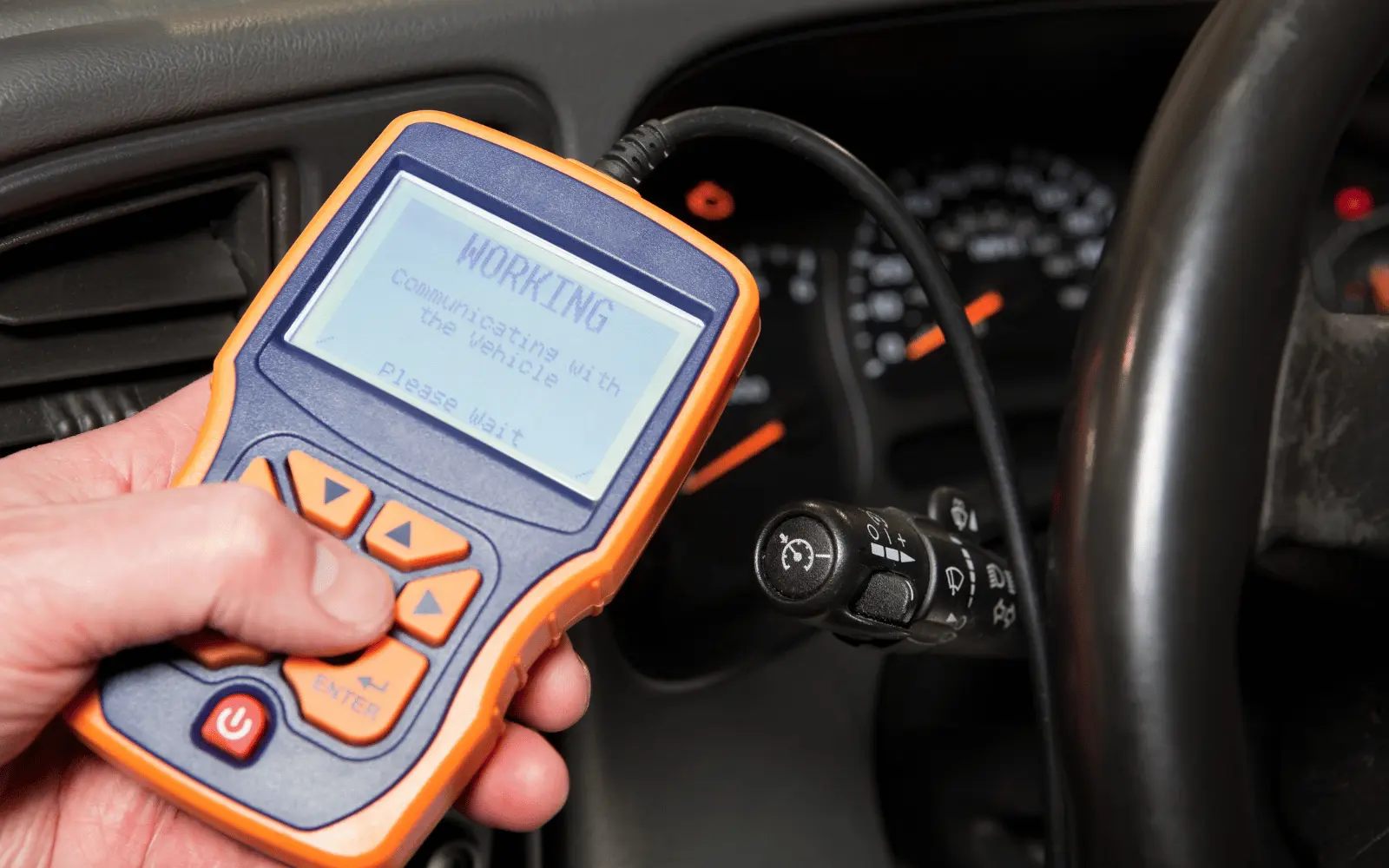
After major repairs like oxygen sensors, catalytic converter replacement, EVAP work, or ECM updates, or after a battery disconnect, plan at least a few days of normal driving before testing. Mix city and highway driving to help complete monitors. If a check engine light came back after repairs, do not rush into a test. Scan again and confirm the issue is truly fixed before paying for another inspection. The ideal sequence is to get a pre-scan at a repair shop or with your own OBD reader, complete any needed repairs, drive normal cycles for several days, check that no check engine light is on and monitors are mostly ready, then book your test. Tie this into seasonal planning. In winter, plan around storms and holidays so you can actually get enough driving in to complete monitors. Cold weather and short trips make it harder for some monitors to run. In summer, do not wait until right before a long road trip to test in case repairs take longer than expected. Build buffer time into your schedule regardless of the season.
Use off-peak times whenever possible. Mid-week days like Tuesday through Thursday are generally less busy than Monday or Friday. Late morning or mid-afternoon avoids both the early rush and the after-work surge. Avoid the first business day and the last three to five days of the month when deadline pressure peaks. Lunchtime at stations near business districts can also be busy. If your state allows it, consider booking an appointment instead of walking in for more predictable wait times. Using satellite or lesser-known stations outside the central city often means shorter lines than the big stations everyone knows about. Before you go, pre-call or check station information online for payment types since some are cash-only, height or size limits for trucks or vans, any temporary closures, and current wait times if the station posts them. Use our state and city directory to compare stations, then pick one with convenient hours and location. A little research before your visit can save you significant time at the testing lane.
FAQ
Have a question not covered here? Contact us and we will respond within one business day.
Not directly. Cold weather does not fail you, but it changes how your car is driven before the test. Short cold trips, more idling, and skipping the warm-up drive can cause borderline cars to fail. Drive 10 to 20 minutes before testing to warm up the engine and catalytic converter regardless of the season.
Test in the first two weeks of the month if possible. The last few days before the end of the month are typically the busiest as drivers rush to meet registration deadlines. Mid-week days like Tuesday through Thursday and late morning or mid-afternoon slots usually have shorter wait times.
Most states allow testing within 90 days of your registration expiry for regular renewals. Testing two to six weeks early gives you time for repairs and retests if you fail. Check your renewal notice or state DMV site for the specific testing window in your area.
Not necessarily. Summer driving patterns can help complete readiness monitors, but proper preparation matters more than the season. Warm up your car before testing, make sure monitors are ready, and address any maintenance issues. A well-prepared car can pass any time of year.
List your station for free and connect with drivers actively searching for certified emissions testing and smog check locations near them. Every visitor on this page is looking for exactly what you offer. A verified listing is the most efficient way to advertise your station, putting you in front of local drivers at the exact moment they need an inspection.
No credit card required. Free plan available forever.
See what changed for emissions testing in 2025. State-by-state updates on Texas inspections, New Hampshire phase-out, Bexar County rules, and what to check before renewal.
Read Article
See which U.S. states have no emissions testing requirements in 2025, which recently ended their programs, and which are phasing out smog checks soon.
Read Article
Learn how catalytic converter theft affects your emissions test, which replacement cats are legal, and how long to drive before retesting after a converter is replaced.
Read Article