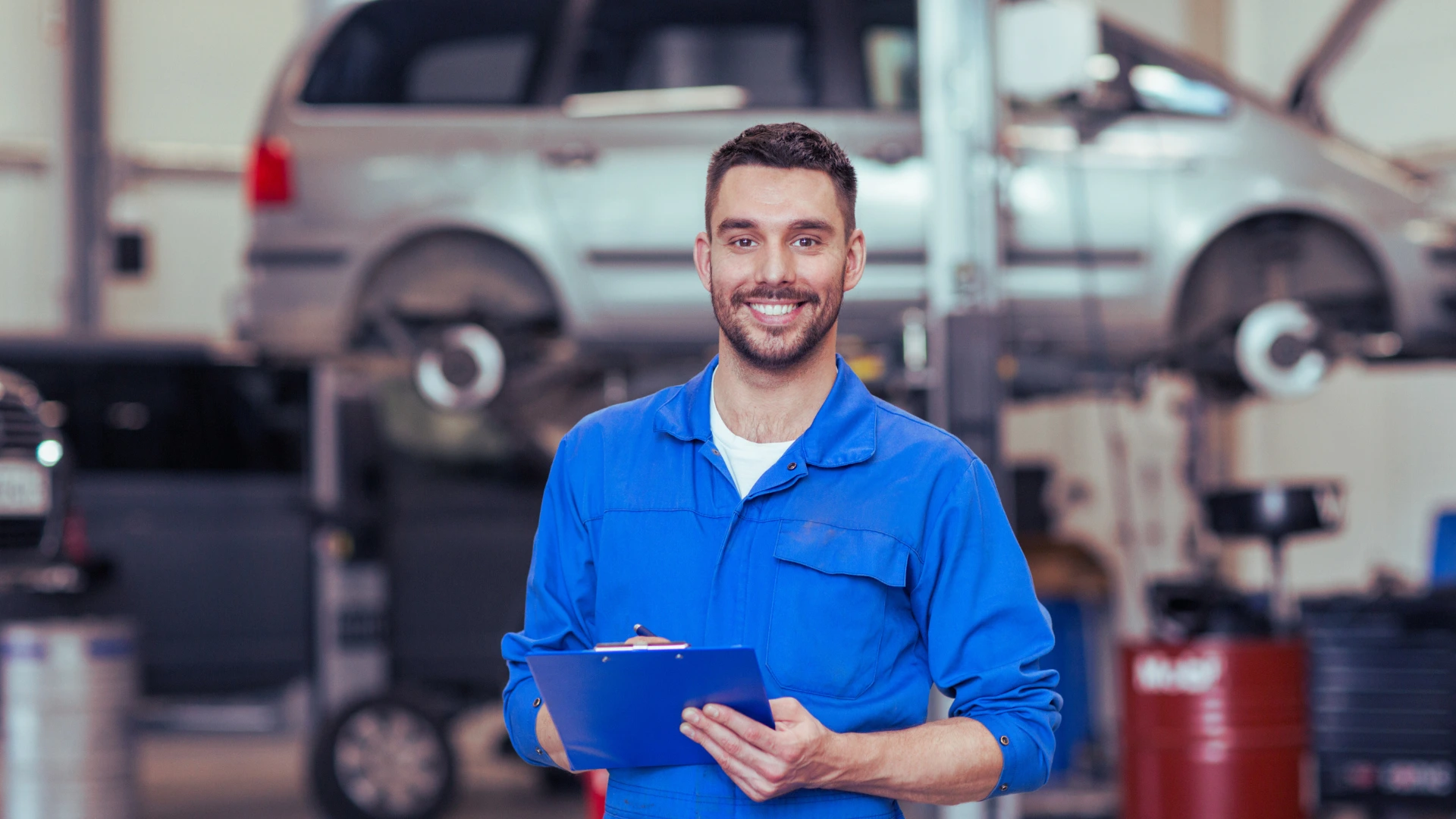
What Is an Emissions Test?
Learn what an emissions test actually measures, why it exists, and how modern OBD-II testing works.
Read guideThe #1 emissions testing resource
Search emissions testing requirements, smog check rules, and certified stations across all 50 states. Find out if your vehicle needs testing and locate nearby inspection locations.
50
States Covered
8,000+
Testing Stations
3,200+
Cities Listed
2026
Requirements Updated
50
States Covered
8,000+
Testing Stations
3,200+
Cities Listed
2026
Requirements Updated
Emissions Testing by State
Each state page includes testing rules, exemptions, and a directory of certified inspection locations.
How It Works
Step 01
Choose your state to see current testing requirements, exemptions, and which vehicles must complete an emissions inspection.
Step 02
Browse certified stations by city. Each listing includes addresses, contact details, and hours so you can plan your visit.
Step 03
Bring your registration and ID. Most emissions tests take 20-30 minutes, and results are sent directly to the DMV for registration renewal.
Expert Guide
If you have never done an emissions test or smog check before, the process can feel confusing. Different states have different rules, some vehicles are exempt, and failing a test can delay your registration. This guide walks you through everything step by step.
Whether you drive a daily commuter, a diesel truck, a hybrid, or you are moving to a new state, you will know exactly what to expect and how to stay legal.
Browse All GuidesAn emissions test (often called a smog check) measures the pollution your vehicle puts into the air and checks that its emissions control systems are working correctly.
Depending on your state and vehicle, a test may include:
The goal is to keep air quality within federal Clean Air Act limits.
You only need a smog check if your state requires it for your vehicle and registration address.
You are more likely to need testing if you live in or near a major metro area with air quality issues, if your state is known for testing (California, Arizona, Colorado, Texas, New York, etc.), or if your vehicle is a gasoline or light duty diesel from middle model years.
You are often exempt if your vehicle is brand new, if it is very old, classic, or antique and registered as such, if it is fully electric, or if you live in a state or county with no emissions program.
Most programs use one or more of these:
OBD-II test. The technician plugs a scanner into your OBD port and reads fault codes, readiness monitors, and the status of your check engine light. This is now the most common test.
Dynamometer or loaded test. Your car runs on rollers while equipment measures exhaust under simulated driving conditions.
Idle or two speed idle test. A probe in the tailpipe measures emissions while the car idles and sometimes at a slightly raised RPM.
Diesel opacity test. Measures how much smoke is in the exhaust from diesel engines.
You do not choose the method. Your state and vehicle type decide it for you.
A little prep can save you a lot of pain. Before you go:
Make sure the check engine light is off. If it is on, the car will almost certainly fail an OBD based test. Fix obvious issues like a loose or cracked gas cap first.
Drive the car normally for a few days. After a battery disconnect, major repair, or code clear, your OBD readiness monitors need time and driving cycles to reset. Short trips only can keep monitors incomplete and trigger an automatic fail.
Do basic maintenance. Check oil level and condition. Make sure there are no major misfires, rough idle, or obvious fuel or air leaks. Ensure tires are properly inflated if you will be on a dyno.
Warm up the engine. Drive at least 10 to 15 minutes before testing so the engine, catalytic converter, and O2 sensors are at operating temperature.
Bring the right documents. Registration or renewal notice, proof of insurance if your state requires it, and photo ID.
Failing is not the end of the world, but you need a plan:
Read the failure report carefully. Look at the specific codes or reasons such as P0420 catalytic converter efficiency, EVAP leak, or failed readiness monitor.
Get a proper diagnosis. For anything beyond loose gas cap, a qualified shop or emissions certified repair facility is worth it. Do not just clear codes and retest. Most programs can detect this and you will still fail.
Complete repairs and keep receipts. Many states offer repair waivers or cost cap programs if you have spent over a certain amount. Receipts, parts lists, and shop invoices are often required.
Retest within the allowed window. Most programs give a free or discounted retest if you return within a set number of days.
Electric vehicles. EVs do not have tailpipe emissions, so they are generally fully exempt from smog checks.
Hybrid vehicles. Many states treat hybrids like normal gasoline cars for OBD-II testing. Some programs exempt the newest model years. Your state rules will say which.
Diesel vehicles. Light duty diesels may face OBD, opacity, or dyno tests. Heavy duty diesels often fall under different weight class or safety and commercial inspection rules.
Always check your state page for fuel type specific requirements before you schedule a test.
Use this fast checklist on test day:
If you follow these steps, emissions testing becomes a quick errand instead of a stressful unknown. If anything goes sideways, your state page will point you to the exact rules, locations, and options you have.
Guides and Insights
Learn what an emissions test actually measures, why it exists, and how modern OBD-II testing works.
Read guideTips for passing your smog check on the first try, from checking your gas cap to completing drive cycles.
Read guideWhich vehicles are exempt from emissions testing, including EVs, hybrids, classic cars, and new vehicles.
Read guideOptions after failing a smog check, including repairs, retests, and state waiver programs.
Read guideHow diesel emissions testing works for light-duty and heavy-duty vehicles, including opacity tests.
Read guideEmissions testing requirements when relocating, including grace periods and out-of-state transfers.
Read guide
Why use this directory
This directory brings together emissions testing requirements, state rules, and certified smog check locations for all 50 states and Washington, D.C.
Consistent State Pages
Every state page includes the same layout: testing requirements, exemptions, model year rules, and testing frequency. No more navigating scattered DMV websites.
Local Station Listings
Browse verified emissions testing stations by city. Each listing includes addresses, phone numbers, and details to help you confirm hours, pricing, and available services.
Up-to-Date Information
Testing rules and exemptions are updated for 2026 and cover gasoline, diesel, hybrid, and electric vehicles, ensuring you always know what applies to your situation.
FAQ
Get clear answers about emissions testing requirements, smog check rules, exemptions, and where to find certified inspection stations in your state.
An emissions test (often called a smog check) measures the pollution your vehicle puts into the air and checks that its emissions control systems are working correctly. Depending on your state and vehicle, the test may include an OBD-II scan, a tailpipe test, a gas cap check, or a visual inspection for missing emissions equipment.
Approximately 30 states and Washington, D.C. have some form of emissions testing requirement, though the specific counties, vehicle types, and model years that must test vary significantly from state to state.
Several states have ended their emissions programs in recent years, including Washington, Tennessee, and parts of Colorado. New Hampshire suspended its program in early 2026. Other states are in various stages of reducing or eliminating testing. See our state directory for current program status.
In states and counties that require testing, you typically cannot renew your vehicle registration until you pass an emissions inspection. The exact timing and frequency depends on your state.
Most programs require testing every one or two years. Some states test annually, others biennially. New vehicles are often exempt for the first few model years. Check your specific state page for the current testing interval.
Most emissions tests take 20 to 30 minutes at a testing station. OBD-II tests are typically faster. Wait times at the station vary by location and time of day.
Fees range from free (Ohio, Wisconsin) to $55 (Rhode Island, combined safety and emissions). Most states charge between $20 and $35. California does not regulate station prices, so costs vary. See our fees guide for a full state-by-state breakdown.
Fully electric vehicles are generally exempt from emissions testing in all states because they produce no tailpipe emissions. Hybrids are typically treated like gasoline vehicles for OBD-II testing, though some states exempt the newest model years.
If your vehicle fails, you will receive a report identifying the specific issues. You have time to make repairs and retest, often at a discounted rate. Some states offer repair cost waivers if you have spent above a threshold and still cannot pass.
Most states with emissions programs offer repair cost waivers for vehicles that have failed after significant repair spending. Some also have hardship exemptions. Requirements and thresholds vary by state. Check your state page for details.
Latest Articles
Compare emissions testing fees across all U.S. states with active programs in 2026. From free testing in Ohio and Wisconsin to $55 in Rhode Island.
Read Article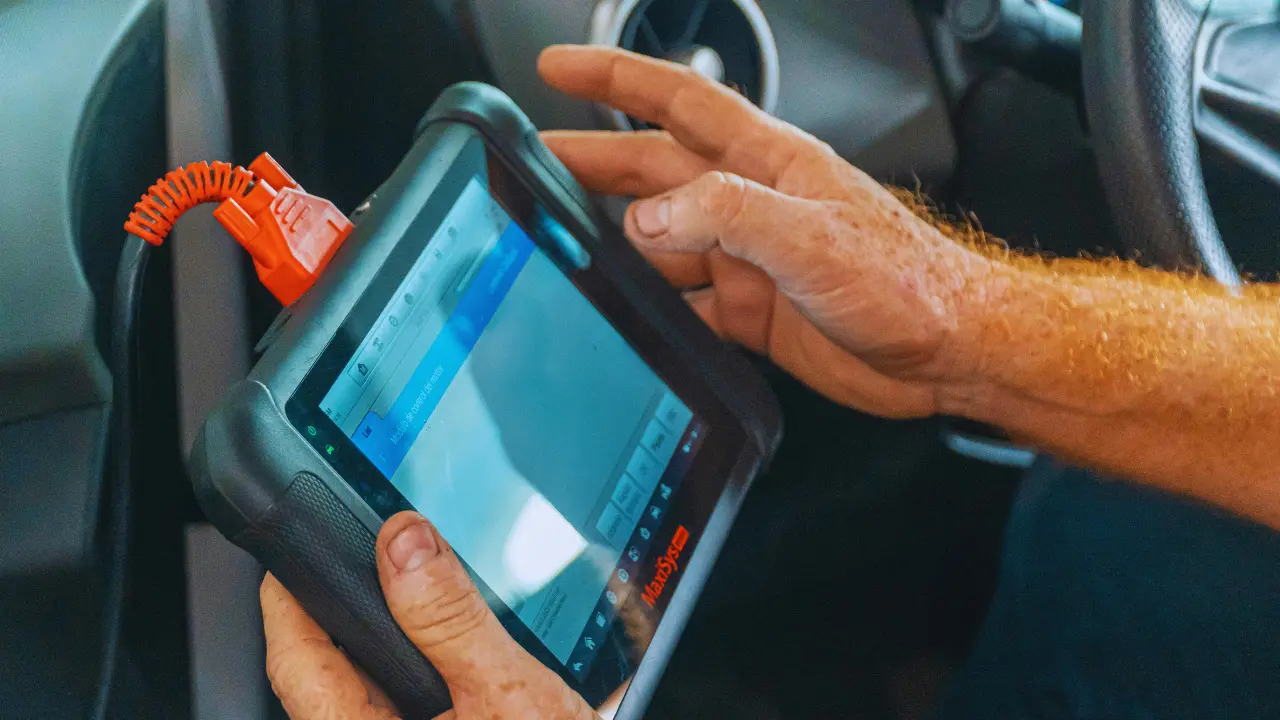
Track every active effort to end or shrink vehicle emissions testing in the U.S. New Hampshire, Ohio, North Carolina, Missouri, and Maryland all have programs on the chopping block.
Read Article
New Hampshire suspended its inspection program. Colorado is rolling out 24/7 kiosks. Ohio raised its repair waiver. Here is what changed for emissions testing in early 2026.
Read ArticleList your station for free and connect with drivers actively searching for certified emissions testing and smog check locations near them. Every visitor on this page is looking for exactly what you offer. A verified listing is the most efficient way to advertise your station, putting you in front of local drivers at the exact moment they need an inspection.
No credit card required. Free plan available forever.